


Why Recruiting Volunteers Is Getting Harder | With guest Karen Knight, a volunteer management strategist who discusses the intersection of emergencies and volunteers
In this conversation, Tim Conrad and Karen Knight discuss the challenges and strategies in managing volunteers, especially during emergencies. They explore the importance of understanding volunteer motivations, maintaining their well-being, leveraging their skills, and the benefits of role rotation. The discussion emphasizes building relationships with volunteers, streamlining training processes, and recognizing the impact of lived experiences. They also highlight the mental he...


In this conversation, Tim Conrad and Karen Knight discuss the challenges and strategies in managing volunteers, especially during emergencies. They explore the importance of understanding volunteer motivations, maintaining their well-being, leveraging their skills, and the benefits of role rotation. The discussion emphasizes building relationships with volunteers, streamlining training processes, and recognizing the impact of lived experiences. They also highlight the mental health benefits of volunteering and the potential for career development through volunteer work. Effective communication and appreciation for volunteers are key themes throughout the conversation.
Takeaways
- People are still interested in volunteering, but in different ways.
- Leaders must monitor volunteer well-being to prevent burnout.
- Understanding volunteer skills can enhance organizational impact.
- Role rotation keeps volunteers engaged and brings fresh perspectives.
- Building relationships with volunteers fosters better communication.
- Streamlining training encourages more volunteers to participate.
- Lived experiences of volunteers can improve service delivery.
- Encouraging organized efforts prevents chaos during emergencies.
- Recognizing volunteers boosts morale and retention.
- Volunteering has significant mental health benefits.
Chapters
00:00 Challenges in Volunteer Management
02:49 Volunteer Fatigue and Burnout
05:29 Building Relationships with Volunteers
08:12 Effective Role Management
10:58 The Importance of Role Rotation
13:39 Lived Experience in Volunteerism
16:23 Encouraging Teamwork Over Solo Acts
20:48 Streamlining Volunteer Engagement
23:09 The Mental Health Benefits of Volunteering
25:58 Personal Stories of Volunteering
28:07 Volunteering as a Career Path
30:48 Effective Communication with Volunteers
34:10 Recognizing Volunteer Contributions
39:43 Resources for Crisis and Volunteer Management
Supporting info:
How to lead in a crisis by Amy C. Edmondson https://www.ted.com/dubbing/amy_c_edmondson_how_to_lead_in_a_crisis?audio=en&language=en
From the Top Down: The Executive Role in Successful Volunteer Involvement by Susan J. Ellis. https://www.google.com/search?sca_esv=3a7bfe1ca1db5972&rlz=1C1UEAD_enCA1088CA1088&sxsrf=ANbL-n7kzzo02qSejZIDsm3UMaopRHkW-A:1769145490970&q=From+the+Top+Down:+The+Executive+Role+in+Successful+Volunteer+Involvement&stick=H4sIAAAAAAAAABXHvQrCMBAA4EEEKU6OToejy0VBhMxa6KrF3YazLU3uSv5sX8cnVbfvWy02BTpUpzzNqt2tscXDsRmVyua83w5GYyMy4DPFTrz-O4CwnT_LqvTiIHYEtYxwkTdrqH-7TmRS7DPBTSxBz3BPxlAIr2ThITZxJPJQcRabyRHHLwhibQ2EAAAA&sa=X&ved=2ahUKEwi1ja7E9KCSAxWsGTQIHSFiNKgQ9OUBegQIHBAF&biw=1920&bih=911&dpr=1&aic=0
00:00 - Challenges in Volunteer Management
02:49 - Volunteer Fatigue and Burnout
05:29 - Building Relationships with Volunteers
08:12 - Effective Role Management
10:58 - The Importance of Role Rotation
13:39 - Lived Experience in Volunteerism
16:23 - Encouraging Teamwork Over Solo Acts
20:48 - Streamlining Volunteer Engagement
23:09 - The Mental Health Benefits of Volunteering
25:58 - Personal Stories of Volunteering
28:07 - Volunteering as a Career Path
30:48 - Effective Communication with Volunteers
34:10 - Recognizing Volunteer Contributions
39:43 - Resources for Crisis and Volunteer Management
00:00:00:02 - 00:00:20:23
Tim Conrad
When the largest human created explosion prior to the atomic bomb flattened Halifax, Nova Scotia on a winter day in 1917, volunteers arrived to help from all directions and distances. Within two days, a train had traveled from Boston to Halifax with supplies, nurses, and physicians, as well as Red cross volunteers. Back in Boston, volunteers were holding concerts to raise funds and collect supplies.
00:00:21:05 - 00:00:45:20
Tim Conrad
In the darkest moment for one of Canada's largest cities at the time, Boston led the way with American cities following by volunteering to support efforts from Philadelphia to Washington. While over 1600 homes were gone, along with 2000 residents killed. Halifax would rebuild and Nova Scotia would be thankful for generations. Decades later, on the darkest day in the United States, several thousand passengers and crew were stranded.
00:00:45:23 - 00:01:13:04
Tim Conrad
After all, planes were grounded on 911, the planes lining the runway had more people than the nearby town. Hideki Sato said, if you don't care who gets credit, a lot of work will get done. The residents of gander, Newfoundland, stepped up volunteers, transported cows, fed and entertained everyone for the next week until they could safely fly home. As the refugees returned to their planes, they began sharing stories that are now featured in the Broadway play Come From Away.
00:01:13:09 - 00:01:37:10
Tim Conrad
Back in Boston, the best tree arrives every year for Christmas, specially picked as the best tree available. It is the gift for the people of Massachusetts from Nova Scotians for helping them decades earlier. Volunteers are where legends are made. On this episode, I'm happy to welcome volunteer management strategist Karen Knight as my guest on the wildfires, Floods and Chaos Communications podcast.
00:01:37:15 - 00:01:47:14
Tim Conrad
I'm your host, Tim Conrad, and press by.
00:01:47:16 - 00:02:02:01
Tim Conrad
Hello, Karen. Good to have you. And, my first question for you is tell me about the most significant challenges you hear about today when managing volunteers. Whether you're doing that in a paid or a volunteer role.
00:02:02:03 - 00:02:28:16
Karen Knight
Rick. Hi, Tim. It's nice to be on. Probably the question that comes up the most often is where do I find more volunteers? People are struggling, especially since Covid. People are wanting to volunteer in different ways. You hear a lot about people saying, oh, people don't want to volunteer anymore. That's not true. People still care about their causes, but they want to be engaged in different ways now.
00:02:28:16 - 00:02:40:09
Karen Knight
And if they don't see that what they're looking for in what you're asking for, they they'll avoid do so. It seems like there's not as many, but there are. They're out there.
00:02:40:11 - 00:03:04:10
Tim Conrad
Yeah. And so I mean disasters and emergencies are heavily reliant on volunteers here in Canada and throughout much of the world. So what should those managing volunteers during emergencies consider to ensure that they remain healthy during disasters? Because it's a it's challenging for people working any emergency, disaster or any for that matter. And I think that's really kind of high stress, right now.
00:03:04:12 - 00:03:34:05
Karen Knight
I Rodak I've written a couple articles around volunteer fatigue and, burnout and things like that. It's so easy for volunteers to get caught up in what they're doing and go far beyond what they're really capable of. People will push past their limits when they shouldn't. And I think one of the the key roles for a leader of volunteers is to to think about that and keep an eye on your volunteers.
00:03:34:07 - 00:03:58:00
Karen Knight
Find out when you see them starting to to to go beyond their limit, because they'll push through because they don't wanted to. This is important to them. So they want to keep going and going and going. You have to be the one to say no. You need a break now. It's time for you to go home. Come back tomorrow fresh or sit down, have a drink of water and just relax for ten minutes.
00:03:58:01 - 00:04:17:02
Karen Knight
Right. If you keep on top of that, you'll prevent a lot of the burnout. Because people will. They'll push themselves far beyond their limits. And then. Then you don't have them after that for for weeks. Sometimes. So just keep a close eye on them.
00:04:17:04 - 00:04:34:06
Tim Conrad
Yeah. And so do you have any suggestions for like how to do that? One of the emergencies I worked at a few years ago, one of the volunteers that was kind of checking in on us like that would come around and they had a bag of treats, essentially sort of goodies that you could eat, and they were just using that as a gateway to start a conversation.
00:04:34:09 - 00:04:36:15
Tim Conrad
Any thoughts around that?
00:04:36:17 - 00:05:04:14
Karen Knight
Yeah, a lot of it. And it's harder in emergency situations where you're getting a lot of volunteers and you don't have established relationships with each of them because they're new. They come in just for this thing, because it's it's happening in their community. But try and get trying to build some form of relationship, some sort of rapport with each of the volunteers so you can start to do that.
00:05:04:17 - 00:05:29:15
Karen Knight
I love the idea of going around with a bag of candy or something, and just getting that kind of conversation going, and if you, as the leader of volunteers are swamped, delegate, be willing to delegate to someone else. I see, I see this a lot where somebody has a whole bunch of skills, but the leader volunteers, doesn't realize what skills they have.
00:05:29:18 - 00:05:49:19
Karen Knight
So they have them doing some menial work. There's a story I was working with an organization, and one of the things they needed was to to redo their volunteer web page. And they said, well, we'll have to put it off. We have to get a grant and get this. All because we don't we can't afford to hire someone.
00:05:49:21 - 00:06:10:00
Karen Knight
Well, one of the people stuffing envelopes for them was a web designer, and they didn't know it. And once we connect, because part of what I do when I go into an organization is I interview staff and handfuls of volunteers just to get an idea. And I found out about this and I said, do you know that they're looking for this?
00:06:10:00 - 00:06:33:02
Karen Knight
And I said, did you know that you have someone on the team already who's good at this and willing to do it for you? Right. So the better you know your volunteers, the better you can use their skills and take your impact that much further. It's amazing what people don't know about the volunteers on their team.
00:06:33:03 - 00:06:41:02
Tim Conrad
Yeah that's right. It's sometimes easy to make that assumption about somebody that you know and off of a first impression maybe, or something like that, that this.
00:06:41:02 - 00:06:52:08
Karen Knight
Person labored, therefore realizing they can't be very good. Yeah, they're working for free. They can't be can't be too terribly talented. But this is not the case.
00:06:52:10 - 00:07:16:09
Tim Conrad
Not at all. Right. It's, Yeah, I a number of years ago, I sat down at a event to recognize volunteers, and I was sitting across from this fellow and struck up a conversation with them, had a great conversation with them, and learned that he's in the fossils and collected crystals and, and, was very creative and all these sorts of things and end up he was the volunteer of the year that year.
00:07:16:15 - 00:07:35:09
Tim Conrad
I didn't realize that he was the one being recognized because I was new to that community. And not only that, but he had been the president of a large, forestry company. So he was a very talented guy in a lot of ways. And it was just fascinating listening to his path through volunteerism over the years. So you never know.
00:07:35:11 - 00:08:03:18
Karen Knight
You never know. I know Supreme Court judges who are volunteers. I mean, you don't know what you've got until you build a relationship with people and like, just just what you did to sit down and have a conversation with them, find out what's what's going on. I know during during crises, everybody's busy and everybody's stretched thin. But you need to rest to take that time, to just sit and have a conversation with 1 or 2 of the others that are resting.
00:08:03:20 - 00:08:22:19
Tim Conrad
Yeah, yeah, I agree that's, you know, certainly, I mean, I'm out there, I'm working, I'm a paid worker when I'm out there, but I always take those time to sit down. And I love time. The sitting with the volunteers and spending time with them, and that is time off for me in those moments, just having those, those conversations with them about whatever is on their mind.
00:08:22:19 - 00:08:24:22
Karen Knight
So yeah. Yeah.
00:08:25:00 - 00:08:50:03
Tim Conrad
And so like volunteer serving, a lot of key roles during emergencies. Firefighters in many communities have been volunteers for hundreds of years, emergency support services here in British Columbia. Those are the people that help line up accommodations, medical and other supports for evacuees. Organizations like Team Rubicon, Samaritan's Purse, Saint John Ambulance, the Red cross may arrive with teams of volunteers, so it's easy to keep volunteers engaged during emergencies.
00:08:50:03 - 00:09:09:05
Tim Conrad
But there's often too much work being done by too few. And sometimes that means some volunteers have almost no work. So what can you give them for advice? To kind of know how to chop up that work and ensure that you're using. You've given some good hints already, but what are some other tips that you can give in those situations?
00:09:09:07 - 00:09:32:00
Karen Knight
Work on your volunteer roles. Look at take it. Take all the different things that need to be done during an event and look at the ones that are really standalone tasks that just need. We just need this done. Those are great for people who just walk in and say, can I help you? Say, yeah, we need the garbage taken out, right?
00:09:32:06 - 00:09:57:10
Karen Knight
You can just do little things like that. But for the bigger roles and I, I've seen so many volunteers just like the ones you're talking to, help do that. I'll do that. I'll do that. And they, they're so passionate. They want to do everything. But if you write your volunteer role descriptions in such a way that the that there are set boundaries, these are what you are responsible for and these are what other people are responsible for.
00:09:57:12 - 00:10:19:18
Karen Knight
And then enforce that. Say we have someone else here to do that. Thanks, Mary. I really appreciate it, but I think you can get more done if you focus on your tasks. Right. And because, yeah, having people stand around doing nothing, they get so frustrated, so hard. And it's again, it leads to that burnout that we were talking about before.
00:10:19:19 - 00:10:37:18
Karen Knight
If somebody tries to take on more and more and more and there's a little bit, I don't know how often it happens, but there's a little bit of empire building. There's a little bit of I want control of things. Right. You're not they get you probably seen things like that. Volunteers are exempt from that kind of.
00:10:37:18 - 00:10:38:15
Tim Conrad
Yeah.
00:10:38:17 - 00:11:01:17
Karen Knight
Desire to to have control over things. So you have to be watchful of it and make sure that that there are set boundaries in the tasks and roles that you get and that'll, that'll help ease some of that won't ease at all, because there will always be people like that sooner you can jump on them, the less damage they do.
00:11:01:19 - 00:11:22:04
Tim Conrad
Yeah. Yeah, absolutely. And so, I mean, just on that note, I mean, one thing that I've come across a number of times is those people that do, you know, certainly grab everything that they can and they have, you know, they they want to control it. I've had a belief that in most volunteer roles, you should stay in them at most for 3 to 5 years and then move into a different role, give somebody else different, view new opportunities.
00:11:22:04 - 00:11:30:12
Tim Conrad
What what does it do for an organization and for people like when you when you have that those breaks and those, those opportunities to do a different role.
00:11:30:14 - 00:11:56:19
Karen Knight
Tons of benefit throughout. And even if you are staying in one role, okay, you can still cross train into other roles. There's there's all sorts of ways of doing it, but a lot of volunteers, you do get bored after a while. You know, something inside out backwards. And yeah, it's great and you're really good at it. But learn other things as well just to keep yourself fresh.
00:11:56:21 - 00:12:20:02
Karen Knight
And by switching people in their roles, you get get people with different worldviews in there and people who who may see barriers that aren't there for you but are there for other people. But nobody would have known about it if it was always that one person in that role. So the more you can switch things up, not constantly.
00:12:20:02 - 00:12:49:01
Karen Knight
Of course. People do need to feel confident and competent in their roles, and you need, like you said, two or 3 or 4 years in a role to become that. But the more fresh blood they feel like that gets in, the stronger the entire organization becomes, because you get new ideas and new viewpoints and new enthusiasm. And yeah, sometimes someone coming in for the first time will make mistakes.
00:12:49:04 - 00:13:13:01
Karen Knight
And that's okay. It's how people learn, so long as they aren't like threatening mistakes. They can be fixed. Right? And I think that's a lot of the reason why some of these people who try and hold on to things, they don't want mistakes made right, and they don't want to have problems, but there will always be mistakes and there will always be problems.
00:13:13:01 - 00:13:24:23
Karen Knight
And it's how, like I said, it's how we learn is by making these mistakes and learning from them so we can become better. Yeah. So yes, sound is always amazing.
00:13:25:01 - 00:13:35:06
Tim Conrad
Yeah. And mistakes are opportunities, right? They're they're opportunities for growth for the person, for the organization, for that, for that task that that's being done. And and it yeah, it's I think it's important.
00:13:35:08 - 00:13:55:22
Karen Knight
It also gives you an indication you as a leader volunteers. It gives you an indication of where you're training may be falling down if you bring someone new in and they can new people consistently make the same mistake. You need to look at your training in that area. Whereas if you keep one person in, you'd never know that, right?
00:13:56:00 - 00:14:17:07
Tim Conrad
Yeah. That's right. Yeah. And I think the biggest mistakes that you can make is staying in a role for 10 or 15 years, because nobody else has had the opportunity to do that role. And then when you go to leave, there's a big gap for them to fill. So you need to, to to have people come through so that there is an opportunity to continue that role and continue that for that organization.
00:14:17:07 - 00:14:23:11
Tim Conrad
I've actually seen nonprofits collapse because of poor volunteer management. I'm sure you've heard of that in your.
00:14:23:11 - 00:14:45:10
Karen Knight
Yeah, lots. And I'm, often brought on at the verge of collapse saying, okay, we're having problems. What do we do? And I'm going, God, I wish you brought me in a year or two ago. But, a lot of a lot of that too can be resolved because there's so much knowledge that people keep in their heads that if you failed in succession planning.
00:14:45:16 - 00:15:05:19
Karen Knight
So somebody who's been in this role for three years, they've got it is, hey, can you mentor someone else? And you don't need to say, because we're going to replace you. You can say for when you go on holidays or if you get injured or sick or whatever, we'd have a backup and you train them because you know this, right?
00:15:05:21 - 00:15:20:05
Karen Knight
And then it makes them feel good because they feel like they're it still feel like they're important, but somebody else has that knowledge too. Yeah. And then that protects your organization.
00:15:20:07 - 00:15:37:13
Tim Conrad
I really want to thank listeners and viewers out there for sticking with us as we navigated some difficult moments over the last year. Unfortunately, we've lost a bit of our momentum and are looking for a bit of help as we do this episode. If you could share with someone in emergency services, public services or public relations, we'd love that.
00:15:37:18 - 00:16:10:07
Tim Conrad
If you could suggest again, Stack Communications podcast.com or drop a review, we'd really love that too. We have some really cool ideas for the podcast we're working on for the next year, so hang around. We're joining listeners in over 50 countries now and over 500 communities globally. Tech. Yeah, I just am blown away by that. This includes listeners in the country of Andorra, along with people in these communities Minneapolis, Minnesota, India, Dubai, United Arab Emirates, Felder, Quebec and Tauranga, New Zealand.
00:16:10:09 - 00:16:31:03
Tim Conrad
We're here. We're talking about crisis and we're talking about emergencies. And that's critical in this environment. So it's so important for people to get more opportunity to see. And we should be rotating people around so they know lots of different roles and volunteer organizations so that you can step into wherever you need to be for that particular moment, because not everybody is going to be available in an emergency.
00:16:31:05 - 00:16:31:22
Karen Knight
Exactly.
00:16:31:22 - 00:16:53:15
Tim Conrad
For that particular thing for that particular time to, to do that job. Right. So, yeah. So I was working, an emergency preparedness, project engagement project a few years ago, and I fell across a woman with a neat story. So years earlier, she had been evacuated and was waiting in line for one of the services at an evacuation center.
00:16:53:15 - 00:17:09:20
Tim Conrad
And as she stood there, slowly moving along in this line, she said it was very much crawling. She realized that she had all of the necessary skills to help people in that moment. So she stepped out of the line and went behind the desk. So I don't I don't want to promote to people thinking that she was just jumping the line.
00:17:09:20 - 00:17:32:02
Tim Conrad
And this is the way that you can jump the line, because when you when you get into a role like that, you're expected to be there for days or weeks and write some long hours, right? So yeah, but I was intrigued that she took it a step further. She instantly became the volunteer recruiter. She learned about what was needed to be done and assigned people to the work who had skills that matched, that were in the same line that she was.
00:17:32:04 - 00:17:33:02
Karen Knight
Right, right.
00:17:33:05 - 00:17:47:08
Tim Conrad
So and within a short time, there was nobody, no line up. They had cleared the line up, and the mood in the room had improved from being fairly tense to being fairly happy. And people were getting along. So what kind of lessons.
00:17:47:08 - 00:17:51:04
Karen Knight
Come felt that they were? They had more control.
00:17:51:06 - 00:17:59:02
Tim Conrad
Right? Yeah. They're a part of the part of the process. Right. So what kind of lessons can we learn from this story or others that you may have?
00:17:59:04 - 00:18:32:17
Karen Knight
Well, that's a great story, I love that, and this isn't the first time I've heard that. I've heard of people coming to food banks, for example, because they need groceries and and things are chaotic or someone didn't show up, so they help and then they end up volunteering long term. Right? It's it's it's one of the things that I think is its most valuable and often forgotten about is the lived experience of volunteers can really make a massive difference.
00:18:32:19 - 00:19:07:10
Karen Knight
If people really understand where the people that you're serving are from, or in that that time, it can make such a difference in how those clients feel, because they know that the people helping them are the one being in the same situation. Right? Yeah. Bringing in people with lived experience and getting them to help really makes a huge, huge difference in the the comfort that the people you're serving have toward what's happening to them.
00:19:07:12 - 00:19:37:01
Karen Knight
They feel safer if the people that are helping them have been through this themselves. Yeah. You know, they know people aren't just saying, yes, Pat you on the head and send you're on your way type thing. They've been there. They've lived it. So so if you can find the people who have done it themselves and who are willing to help and I've found people who have been through that themselves are more willing to help, then then you have a stronger team.
00:19:37:01 - 00:19:46:04
Karen Knight
Like you said, the feeling in the room gets better because they people feel that the people behind the desk know what's going on.
00:19:46:06 - 00:20:13:19
Tim Conrad
So, you know, obviously, we want to have people like her. She comes in, she joins a team. Those are great. You get into the team, but there's other people that, whether an event happens in it, whether it's an emergency or crisis, they decide to do their own thing, and sometimes they'll get together with other people and do a solo act and, so they're independently going out there and doing stuff that, yes, may be helping, but it's not part of the larger team.
00:20:13:21 - 00:20:23:20
Tim Conrad
So what should we keep in mind with folks that do that, and how can we encourage them to be volunteers? But in the larger group.
00:20:23:22 - 00:20:47:17
Karen Knight
There were all sorts of news articles about this, with the Texas flooding incident, a few months back where, where people would be going out and searching without knowing that there were that official searchers weren't in there for a reason because there was more water coming down in that area, was unsafe or whatever. People tend to get really frustrated.
00:20:47:18 - 00:21:06:01
Karen Knight
They want to help and they want to help now. So if they know that if they have to to go through the official teams, but they need to take a week's worth of training and they have to get all their gear and sign all these waivers and do all this. And it could be be a week and a half before they help.
00:21:06:03 - 00:21:39:00
Karen Knight
They won't bother. They'll go straight out and do things themselves, which ends up in, in so many cases to be a detriment. They put themselves in danger. They put other people in danger. They add to the number of victims rather than saving things. A lot of organizations feel that there is a need for a lot of training and a lot of a lot of hoops to have people jump them before they can help.
00:21:39:02 - 00:22:10:12
Karen Knight
If at all possible, streamline that to the absolute minimum, because otherwise you will have people going out and doing it themselves, whether that's staying in an evacuation area to to protect their own home with the hose, or whether it's going out and searching for people and getting in the way of the people who are trying to do it and have all the knowledge and all the facts at their fingertips, you need to make it as quick as possible to get people out there doing things.
00:22:10:12 - 00:22:38:03
Karen Knight
If you do need training, like if it is a necessary thing, what else can they do in the meantime while they're taking that training to keep them engaged and make them feel like they're being that they're being helpful? Well still protecting them and getting their training in place. Yeah. You can't expect people who see their neighborhood start to wash away to just sit quietly and say okay I'll go through a week's training and then do that.
00:22:38:05 - 00:23:12:11
Karen Knight
It doesn't work. And unfortunately so many of these things are, you know, an emergency is an unexpected event. So people don't think to go and get their training before him because how did they know they need it? Right. So if you can streamline the hoops or remove as many of the hoops and barriers to getting people out there as quickly as possible, you'll have a lot less problem with people trying to do things themselves and getting in the way.
00:23:12:11 - 00:23:32:16
Tim Conrad
Yeah, that's great advice. It's yeah, I think that's really important that, we, we do need to look at our organizations and what we're requiring of volunteers before they even do anything. Yeah, because I've definitely heard of that. I've heard of one organization recently, that two weeks of training and process and things to go through before you even did anything.
00:23:32:16 - 00:23:48:16
Tim Conrad
And the job is not that complex. I'm like, what do you possibly need to go through for two weeks to be able to do this job? Exactly, exactly. And so it was it was quite a bit. So be careful. I often say this as a communicator. Don't let the lawyers get too much of a grip on things that you need to function.
00:23:48:20 - 00:23:57:17
Tim Conrad
Yeah. So yes, yes, you need to cover liability, but you need to function. And that's more important that you function. If you're not functioning, you're you're creating another liability.
00:23:57:19 - 00:23:58:11
Karen Knight
Exactly.
00:23:58:15 - 00:23:58:22
Tim Conrad
Yeah.
00:23:59:00 - 00:23:59:12
Karen Knight
Yeah sure.
00:23:59:12 - 00:24:01:00
Tim Conrad
That that's still happen.
00:24:01:01 - 00:24:26:19
Karen Knight
So if you're if you've got an emergency and you don't want people going out and searching, well help get them in there helping hand out food or water or doing other smaller things until they're ready to go out there searching. Right. Just have something else to do. Get them involved immediately, even if it's in a background role, just so they feel like they're actually doing something.
00:24:26:21 - 00:24:44:18
Tim Conrad
Yeah, agreed. And just going back to the story I told earlier, I just find it so fascinating how she talked about evacuees becoming volunteers, that much of their stress went away when they weren't sitting there and stewing over what if scenario. So this is a case where volunteering can reduce stress.
00:24:44:20 - 00:24:45:04
Karen Knight
It is.
00:24:45:09 - 00:24:47:21
Tim Conrad
And you don't hear that too often.
00:24:47:23 - 00:25:18:18
Karen Knight
If you do in the volunteering sector it is one of the keys, volunteering. No matter what you do, whatever you're volunteering is, it is a huge benefit to people's mental health to help volunteer. If you're volunteering in an area where you have lived experience, it gives you a sense of control. If you're volunteering for a conservation organization for example, doing that will help reduce eco anxiety.
00:25:18:18 - 00:25:52:05
Karen Knight
If you're helping with seniors, that fear of getting older goes away, right? All just helping in whatever way. Just helping other people can lower your stress level. Just does that. Yeah. It just yeah, it's amazing the research that's been done around the mental health benefits of volunteering. And then there's stacks and stacks of studies that that prove that this happens every time, even even just small bits.
00:25:52:05 - 00:26:13:02
Karen Knight
Like you don't have to sign up to, to volunteer at a place for an hour a week for the rest of your life. You help somebody for ten, 15 minutes and all of a sudden you feel better. Yeah. It's instant. And, I was reading a study, trying to remember what it's called, and I. I should have had it written down.
00:26:13:02 - 00:26:45:20
Karen Knight
It's not only you who gets the benefit of or it starts off. It's not just the person you're helping who gets the benefit. You get the benefit from that, that hit of dopamine or whatever that comes up from helping people. But people who see you helping others feel better because of it, they I mean, I don't know what the medical reason is, but they start to think, you know, maybe the world isn't such a bad place because there are people out there helping others right?
00:26:45:23 - 00:26:52:17
Karen Knight
And that leads them to doing being more likely to help others themselves. It's amazing.
00:26:52:19 - 00:27:13:11
Tim Conrad
Yeah. And the thing I said earlier about volunteer being stressful is something I hear from people that aren't volunteering. And, and I've always been a volunteer. And so I've always found it very a good for my soul. And it helps make me feel better. And, yeah, there's some ups and downs in it, but I have to say, it's been way better than any job I've ever worked.
00:27:13:13 - 00:27:21:14
Tim Conrad
And I've enjoyed, you know, helping out folks and just experiencing what that's like firsthand and just being there with its.
00:27:21:16 - 00:27:44:09
Karen Knight
Yeah. You know, I first started volunteering when I was about 11 years old, and my family was never a volunteering family wasn't something that was done there, but I was visiting my grandmother in her care home, and the person who called bingo that day couldn't make it. And so everybody was down and everybody was upset. The people who'd like bingo didn't want to call it, because then they couldn't play.
00:27:44:11 - 00:28:05:19
Karen Knight
And the people who didn't like bingo didn't want anything to do with that. So I said, well, oh yeah, I'm you do is just sit here and read these numbers off the balls. Right. So I called bingo one afternoon. I was 11 years old and people were so thankful. And they gave me hugs and kisses and cookies and candy.
00:28:05:21 - 00:28:09:13
Karen Knight
And I'm thinking, you know, this volunteering thing, this is a good deal.
00:28:09:14 - 00:28:10:09
Tim Conrad
Pretty good deal.
00:28:10:09 - 00:28:19:03
Karen Knight
So that starts it just started me on a lifelong journey of volunteering. So I volunteered. Ever since that.
00:28:19:05 - 00:28:43:08
Tim Conrad
Yeah. That's great. I now started volunteering young too. And as a firefighter I had a bingo experience. I had to fill in for bingo one time. I was a bit older and I remember pulling the bingo number out and I called it wrong the first time a room. It was a curling rink. It was full packed full, and the grumbles I got, I thought I was going to get kicked out of the place for calling the wrong number because I, you know, of course there tappin their numbers down.
00:28:43:11 - 00:28:49:17
Tim Conrad
And I was like, oh geez, I, I know, yeah. But they were still thankful at the end of the night.
00:28:49:17 - 00:28:54:21
Karen Knight
So yeah, you don't have to be perfect to be a volunteer.
00:28:55:03 - 00:29:15:20
Tim Conrad
No, no, there is a definitely there's a little bit more give you, you can say you're a volunteer. So, Yeah. And so that time as a firefighter, it was, really interesting and, and, I've probably met, thousands of people that started as a volunteer and then eventually that turned into a career, of some sorts.
00:29:15:22 - 00:29:29:12
Tim Conrad
Lots that I know of have gone on to be emergency responders of some type, from firefighting. Can you give, other examples of how volunteer roles are in shaping, life path?
00:29:29:14 - 00:29:54:12
Karen Knight
A lot of students, university, college students, they want those volunteer hours because it looks good on their resume. Right? They get experience doing whatever they're studying geriatrics. And they and they volunteer in a hospice or they, they volunteer with, with kids and their and their schooling or what, like, being becoming a teacher. All of this helps.
00:29:54:17 - 00:30:30:03
Karen Knight
But even if it's not something directly related to where your future career is, just the fact that that you're out there volunteering looks good and it grows your network and more people, you know, the more likely you you'll get the job you want, even if it's not in the same area. It's so it's it's amazing the number of jobs that people have found because they've been volunteering, whether it's through the network or however, just that, that they've been doing it is is huge.
00:30:30:03 - 00:30:55:19
Karen Knight
And a lot of them have done, have changed their careers. This is the area I want to go in. So they go and volunteer in in that area and they think, no, you know something? I don't think I can do this right. So you get, you get people reevaluating their, their career paths too, because they have actual hands on experience in that area.
00:30:55:21 - 00:31:12:11
Karen Knight
So it's it's interesting what it can do. They find maybe I like doing this better. Maybe I'll maybe I'll switch careers. I've seen that happen over and over again. It's neat. It's neat to watch how how people's lives change because of volunteering.
00:31:12:12 - 00:31:19:12
Tim Conrad
Yeah. And the fellow I mentioned earlier with the the forestry business guy that was the volunteer, he sucked me into volunteering and,
00:31:19:18 - 00:31:20:06
Karen Knight
To it.
00:31:20:08 - 00:31:36:00
Tim Conrad
I helped. Yeah, he did. He didn't give me a rate there at that that day. I didn't realize it, but he had got me. He got I went over to see him at his house, saw his fossil collection. And while I was there, he stuck into a role with this, building a dinosaur museum with that, that here's here's a crazy career path for you.
00:31:36:02 - 00:31:56:13
Tim Conrad
Eventually, I ended up helping to to host media and celebrities that came to to help build this museum. And one of them was Dan Aykroyd. And the outcome of that was Dan Aykroyd. Came to my house for a visit at one point in time, and it was like, how? How is this even possible? Right? Okay. And it was through volunteering of all things.
00:31:56:13 - 00:31:56:20
Tim Conrad
Right.
00:31:56:20 - 00:32:00:20
Karen Knight
So you never know where it'll take you, where you'll meet.
00:32:00:20 - 00:32:17:11
Tim Conrad
That's right. So yeah, it was a really, really weird path. So so as we look at the bigger picture and communicating with volunteers, obviously a very important job, but it's sometimes it's left out of the picture. So what should we consider when communicating with groups of volunteers?
00:32:17:13 - 00:32:44:22
Karen Knight
There's a lot of it. Again, build relationships as much as possible. Build some kind of rapport with the volunteers on your team so that they're comfortable coming to you if they're facing a barrier or if they see something that maybe might work better, you need to have enough of a relationship with them that they're comfortable coming to you, bringing those kind of issues and be willing to communicate in different ways.
00:32:45:00 - 00:33:07:09
Karen Knight
Everybody has a different way of seeing the world. Some people prefer text, some people prefer email, some people prefer a phone call. Be willing to be flexible in that because you want to meet them where they are. They're helping you. So. So make it easy for them to help you. But communication isn't just about email and phone calls.
00:33:07:09 - 00:33:34:00
Karen Knight
It's it's about like you said. And it whenever I have a conversation about volunteering, it always comes down to this build the relationship, right? Because it's all about relationships. It's all about making sure the person who's helping you feels comfortable, feels strong, feels capable, and then they'll give you everything they've got. But you have to have that relationship.
00:33:34:02 - 00:33:57:10
Karen Knight
And part of that is being able to communicate. Be willing to communicate more than you might think because nobody wants to spam anyone. But especially in in crisis situations, the more communication the better. Even if you don't have anything to communicate. Stay. Hey, I still haven't heard back, but I'll let you know as soon as I do, right?
00:33:57:12 - 00:34:17:14
Karen Knight
Stay in touch all the time, because if they don't hear, they're starting to wonder if something's going on that they don't know about. Is it bad? Right? So just be willing to communicate to overcommunicate and even communicate when you don't have anything to say, particularly.
00:34:17:16 - 00:34:38:17
Tim Conrad
Yeah. And I'll just add like as we, we work in, in my business in, in audience groups. And so the audience group of your volunteers and any subsets below those is a really important audience group to always keep in mind. And reaching them is is more challenging in different situations like emergencies. So sometimes they're not out there and you can't email them, maybe can't even phone them.
00:34:38:17 - 00:34:57:11
Tim Conrad
So you have to think about creative ways to reach somebody. Keep in mind, too, that volunteers are on the front line, so they typically are in roles where the public is coming up to them. So keeping them informed keeps the public informed. So it's a it's a double duty there. Now when you are ensuring that good information gets to them.
00:34:57:11 - 00:35:18:23
Tim Conrad
So yeah that's good good good information Karen. And and you know the other side of it is, is we want to communicate, we want to be thankful for our volunteers and the contributions that they give to us. But it's challenging. I was, as I mentioned earlier, came from firefighting. Some calls don't go well. They're pretty, pretty brutal calls.
00:35:18:23 - 00:35:30:15
Tim Conrad
And you still got to keep ready for the next one and, get people back there. And so how do you recognize the contributions of volunteers, both those that were known and those that are unknown?
00:35:30:16 - 00:35:52:09
Karen Knight
There's a lot of ways to do it. And going by what you just said, start with taking care of yourself. It's the whole put your own oxygen mask on first, right. Make sure you're in a good spot before you start reaching out. Because if you reach out and you're not in a good space, they're just going to feed off that.
00:35:52:11 - 00:36:21:12
Karen Knight
Actual appreciation can come in many forms. I kind of talk about for appreciation, love languages if you like, and the first one and the one you should use all the time is just a general thank you. Say thank you to all your volunteers all the time. If you can be specific, that's even better. So if you hey, thanks for for handling that that crisis there I was tied up and I couldn't get it.
00:36:21:13 - 00:36:43:10
Karen Knight
My saw you did it. Well done. You made everybody so much better off because of it. The more specific you can get, the more they feel it right. They know that you've seen the difference that they're making. It's kind of like the difference between your partner bringing you flowers on Valentine's Day and bringing you flowers on some random Tuesday.
00:36:43:12 - 00:37:07:06
Karen Knight
Right? The one just feels better, right? Because you know, they're thinking about you when they're not supposed to think about you, right? So that if you can be really specific, that that makes a big difference. If you can't, just a general thank you is better than nothing. The second one is kind of what I call tangible gratitude is is give something back.
00:37:07:07 - 00:37:29:06
Karen Knight
It doesn't have to be actual physical something. It could be it could be a $5 coffee card or a, a pass to an event or whatever. But it could be something like serving as a reference on a on a job interview for somebody or filling out forms for them for school, things like that. What can you give back?
00:37:29:06 - 00:38:09:10
Karen Knight
What are the benefits that being volunteering with you? What what benefits do they get out of it? Besides just you did a good thing. So good for you. It what tangible, specific things do they get? So if you can try and find things like that, that's really helpful. Yeah. If you have their permission, then calls out on social media and public acknowledgment of some sort, whether that's, a shout out during a meeting to, to somebody who's kind of gone over, above and beyond or whatever volunteers of the week or volunteers of the year or whatever those kind of awards make some people feel absolutely amazing.
00:38:09:10 - 00:38:27:19
Karen Knight
Again, you need to know your volunteers. You need to have that relationship for because everybody is different. So, for example, you want to put me on this stage and thank me. I'm all over that. Yeah. No problem. You try and do that to my husband. He'd crawl under a chair. He wouldn't feel appreciated. He would feel embarrassed. Right.
00:38:27:21 - 00:38:48:00
Karen Knight
You have to know your volunteers to be able to judge what's appropriate for them. And the last one is the one everybody thinks about. Appreciation is some big thank you event right. Once a year get all the volunteers together and give them a meal or whatever time them dance or something like that. That should be the lowest priority.
00:38:48:02 - 00:39:15:16
Karen Knight
It's great. That's nice. But I've had so many organizations say, yeah, we held this big event and only ten of our 150 volunteers showed up, right? It's because most people don't care about it anymore. People don't care so much about swag anymore. They just want to be thanked. They just want to be appreciated. They don't need stuff anymore.
00:39:15:18 - 00:39:25:23
Karen Knight
But if you do want to hold an event, ask them what do they want? Do they want to dinner, dance? Or do they want a backyard barbecue?
00:39:26:01 - 00:39:26:23
Tim Conrad
00:39:27:01 - 00:39:37:05
Karen Knight
Try and think of what they want and give them that. And that's more likely to have people show up than you were coming up with a great idea and imposing it on them.
00:39:37:07 - 00:39:38:18
Tim Conrad
Yeah. Yeah.
00:39:38:21 - 00:39:41:00
Karen Knight
So there's two ways to show appreciation.
00:39:41:00 - 00:40:06:10
Tim Conrad
Yeah absolutely. Those are great ways. And it's yeah I think it's important to have a good suite in your in your back pocket to pull out and recognize that, that there are quite differences. And I particularly want to pick on that point about you and your husband. There is a lot of people like that. And I remember years ago I had a very major award for a volunteer that we want to give to somebody, and they want nothing to do with coming to the award ceremony.
00:40:06:10 - 00:40:29:12
Tim Conrad
And it was a real hard thing for my boss to accept that, because it was a big award for our organization, and they wanted to have stage time for it. But this person was not. That was just not the spot for them. And so we found out I found out that that was like, what would you like? And they said, I would like if we could just have a meal with my coworkers and talk about what I did.
00:40:29:14 - 00:40:41:06
Tim Conrad
Right. And so that was kind of cool, right? So they were passing along a little bit more about who they were and what their background was and, and trying to get other people involved. So, you know, who would have thought.
00:40:41:06 - 00:40:50:00
Karen Knight
About knowing if you hadn't had the relationship and had the company with them? Right.
00:40:50:02 - 00:40:59:01
Tim Conrad
What is one book, documentary or resource that you can recommend for those learning about crisis or emergency management and all that volunteer management on there? And if you want to put something on.
00:40:59:03 - 00:41:27:00
Karen Knight
Okay, if we focus on crisis management, things like that, there's a Ted talk that I like. It's just a really short one. It's under five minutes. By Amy C Edmondson called How to Lead in a Crisis Basic Practical tips and ideas that really make a difference. So that's one. If you want something in volunteer management for this kind of thing, probably the book I'd recommend the most is from the top Down, Susan J.
00:41:27:00 - 00:41:46:04
Karen Knight
Ellis, and she wrote, and it's from managing volunteers from a senior level. Like what's important to have in place to make sure that that volunteers are engaged effectively and appropriately, so that those would be those would be my two for that.
00:41:46:06 - 00:41:54:09
Tim Conrad
Great. Thank you. And so what advice would you give information officers or communicators managing crisis or emergencies that would help them to do their job better?
00:41:54:11 - 00:42:23:19
Karen Knight
We covered this in more detail a bit earlier, but streamline things if you if you want people to to volunteer, make it easy for them. Do things ahead of time. If you can plan everything out, don't try and do things ad hoc, but, streamline things. Make it as easy as possible for for people to to come in, help right away, have micro tasks to get people involved.
00:42:23:21 - 00:42:30:13
Karen Knight
Set aside things that don't require training or hoops or or police checks or any of that.
00:42:30:15 - 00:42:35:13
Tim Conrad
And how do you maintain your mental well-being during the most intense, moments?
00:42:35:15 - 00:43:00:00
Karen Knight
When we talk moments it isn't for me isn't really an issue. I am so into the moment that everything else goes by the wayside. I'm just focused right in. When those moments stretch into hours, then I'm someone who takes a walk in the bush or gets away away from people. I'm. I'm a bit of an introvert. That doesn't.
00:43:00:02 - 00:43:23:05
Karen Knight
People don't always believe that because I'm very social, but I am an introvert and I need my alone time. So that's what I do, is I just get by myself for a bit and try and bring myself down deep breathing or being in nature or whatever, just to try and and slow things down for myself. And I find it really refreshes me so that when I come back, I'm back.
00:43:23:06 - 00:43:23:20
Karen Knight
Top of my.
00:43:23:20 - 00:43:44:13
Tim Conrad
Game. Great advice. Well, Karen, it's been lovely having you here today to talk about volunteers and volunteer management. Really insightful and good information. We've had some great chats over the years and certainly people can reach out to you. Your contact information will be there. I'd like to thank you very much for joining me on the wildfires, floods and chaos Communications podcast.
00:43:44:13 - 00:43:45:07
Tim Conrad
Karen.
00:43:45:09 - 00:43:47:19
Karen Knight
Thank you so much. It's a pleasure to be here.
00:43:47:21 - 00:44:11:16
Tim Conrad
Then we are done. Thank you to Karen Night for joining me. And here's where you can find out some of those things that she talked about. Head over to communications podcast.com for everything. This includes guest information and links, transcripts, images and show notes, video and audio versions of the podcast, and you can send us reviews and guest ideas.
00:44:11:20 - 00:44:34:11
Tim Conrad
Look, I really appreciate it. I said earlier, it's been a bit of a rough year, this past year. So the podcast had to be parked for a bit, while we dealt with other things and kept the business rolling. So if you like this episode, you'll want to be tuned in for an upcoming episode with three volunteer chiefs from the same fire department that have nearly 150 years of experience just between the three of them.
00:44:34:13 - 00:44:45:22
Tim Conrad
So thank you for joining the wildfires, floods and Chaos Communications podcast, a production of Butterfly Effect Communications. We are masters of doom and gloom, bringing calm to chaos. Goodbye. Hear me later.
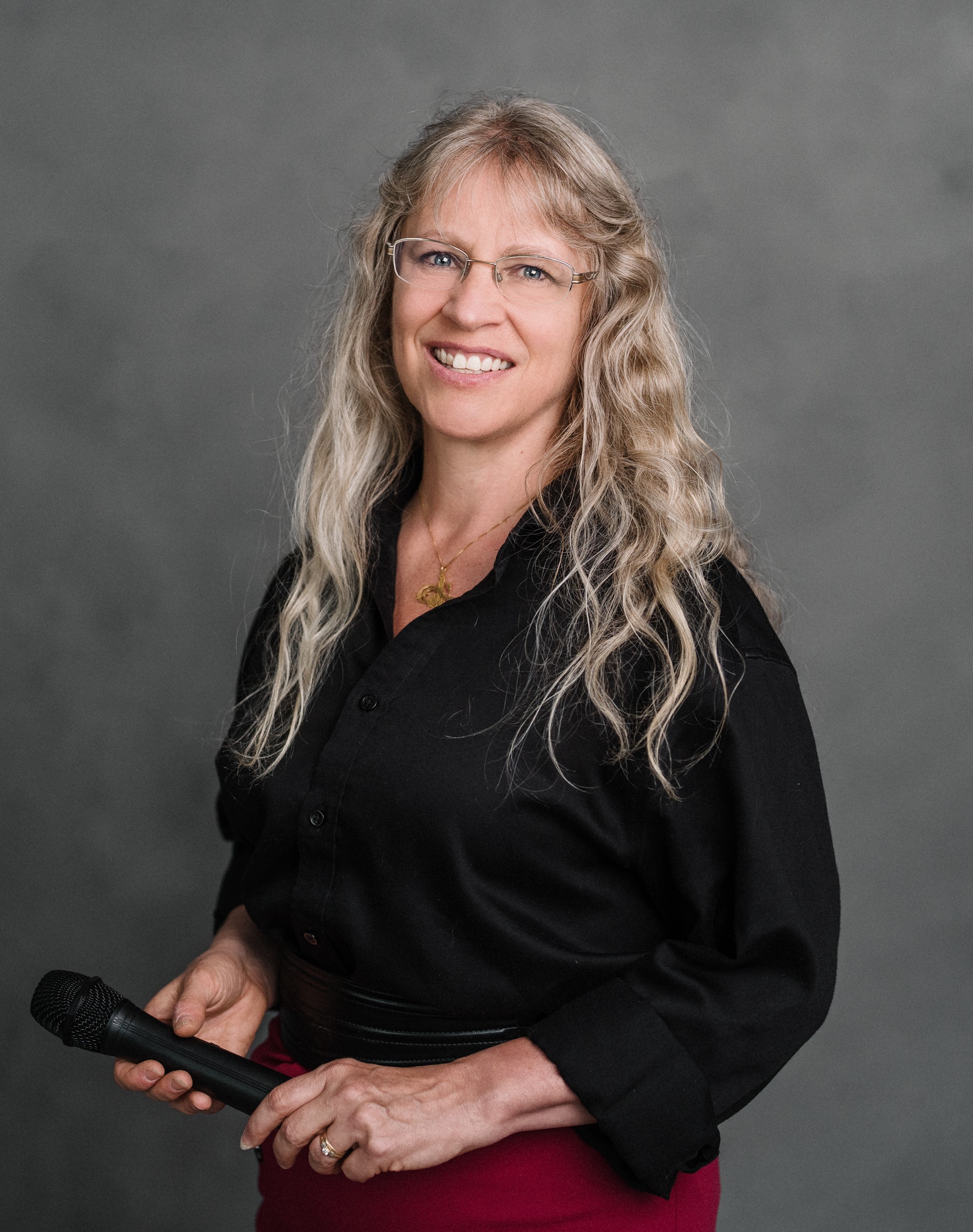
Volunteer Management Strategist
Karen Knight has been providing volunteer engagement advice, mentoring and training for social impact organizations for close to 30 years.
An internationally recognized author, presenter, and thought leader, Karen is known for challenging conventional thinking about volunteerism, turning a spotlight on overlooked problems, and bringing creative solutions to long-standing issues.


