

 Apple Podcasts

 Spotify

 YouTube

 Amazon Music

 iHeartRadio

 Podchaser

 Podcast Addict

 Castbox

 PocketCasts

 PlayerFM

 Castro

 RSS Feed
Lessons Burned: Communication Lessons from the 2026 Wildfire Season - Part 1 of 2

Send us Fan Mail The 2026 wildfire season challenged communicators across Canada to rethink how they build trust, share information, and connect with people during moments of uncertainty. In this episode of the Chaos and Communications Podcast, host Tim Conrad reflects on the successes, struggles, and surprising lessons that emerged from a season where information moved almost as quickly as the fires themselves. Joining the conversation are Loree Duczek of the Regional District of East ...
The 2026 wildfire season challenged communicators across Canada to rethink how they build trust, share information, and connect with people during moments of uncertainty. In this episode of the Chaos and Communications Podcast, host Tim Conrad reflects on the successes, struggles, and surprising lessons that emerged from a season where information moved almost as quickly as the fires themselves.
Joining the conversation are Loree Duczek of the Regional District of East Kootenay and Shelby Alexander from the channel ShelbyinPenticton, who share their perspectives on emergency communications, audience expectations, leadership under pressure, and the realities of keeping communities informed when conditions change by the minute. Together, they explore what it takes to maintain credibility, foster public confidence, and communicate effectively when the stakes are high.
From the rise of livestreaming and community content creators to evolving media relationships and public information strategies, this episode examines how emergency communication continues to change. The discussion looks at what organizations can learn from both successful and unsuccessful approaches, why trust is earned long before an emergency begins, and how communicators can adapt to a world where audiences expect immediate, authentic, and accessible information.
Whether you're an emergency manager, public information officer, communications professional, elected official, or simply interested in how communities navigate crises, this episode offers practical insights and real-world lessons from one of Canada's most significant wildfire seasons.
Topics include:
- Lessons from the 2026 wildfire season
- Building and maintaining trust during emergencies
- Livestreaming and real-time public engagement
- Working with media and community content creators
- Crisis leadership and spokesperson effectiveness
- Audience behaviour during evacuations and emergencies
- Communications ethics under pressure
- The future of emergency public information
Sources:
https://www.cprs.ca/Advocacy/Code-of-Professional-Standards
Visit www.communicationspodcast.com for more detailed show info including photos and videos.
00:00 - Fire, the Animal, and the 2026 Wildfire Season Introduction
02:13 - Chapter 1: A Summer Spent Watching Fire and Communication Unfold
04:16 - Wildfire Communications: The Good, the Bad, and the Unusual
06:12 - What Great Emergency Communication Looks Like
09:31 - Chapter 2: Introducing Loree Duczek and the Regional District of East Kootenay
11:44 - The Four Foundations: Trust, Relationships, Consistency and Expectations
15:49 - Being Human in Emergency Communications
19:10 - Why Relationships Matter Before Disaster Strikes
21:38 - Numerically Speaking: Wildfire Communications by the Numbers
24:25 - Media Relations, Community Trust and Serving People First
30:28 - Inside the Emergency Operations Centre: Different Role, Different Mindset
37:01 - Two-Way Communication and Listening to Your Community
37:51 - Mid-Episode Break and Audience Message
39:39 - National Media vs. Community Needs During Crisis
46:49 - A Firefighter, a Family and a Saved Home: Why the Work Matters
51:30 - Chapter 3: What the Video Analysis Revealed
53:14 - The Rise of Community Content Creators During Wildfires
55:11 - Interview with Shelby Alexander: Journalism, Social Media and the Bald Range Wildfire
58:29 - Humor, Silence and Other Communications Mistakes
59:44 - The Ontario Interview That Ended Too Soon
01:02:13 - Three Final Lessons from the 2026 Wildfire Season
01:02:59 - Part One Wrap-Up and Looking Ahead to Part Two
00:00:04:04 - 00:00:14:04
Tim Conrad
fire is at tetrahedron. It's a complex structural invention of our environment that we both seek and fear. In its best moments, it gives us warmth and happiness.
00:00:14:06 - 00:00:39:13
Tim Conrad
In its worst, it steals lives. I learned to respect fire by facing it many times as a structural and wildland firefighter. Once you've gone inside a fire, you know what it's capable of. And when you're completely surrounded, you become part of it. You become one. You understand each other and can feel each other's thoughts. It's a really weird feeling in a really weird thing to say.
00:00:39:15 - 00:00:49:19
Tim Conrad
The character who best captured the feeling of fire. Many of us have experienced was Ronald Bartel, who called the fire the animal in the movie Backdraft.
00:00:49:19 - 00:00:51:05
Speaker 3
one.
00:00:51:06 - 00:01:14:23
Speaker 4
What's your basic warehouse? Torch that I was doing for the owner. I mean, they're a cakewalk. I just I just lost my concentration, I guess, in my animal. Turned on me. Got the whole place going by. Kill. My hair was on fire. My hands, everything. I was dead, and then suddenly I was alive. I was being pulled out of there by my hero, my shadow here.
00:01:14:23 - 00:01:32:03
Tim Conrad
The 2026 wildfire season was remarkable for a variety of intense pockets across the landscape. Surreal scenes emerged as people captured nature's animal from vast distances to feeling the heat on their hand as they drove through it.
00:01:32:05 - 00:01:50:19
Tim Conrad
Lives were changed, lives were lost, stories passed, and information shared. Welcome to the Chaos and Communications podcast. I'm your host, Tim Conrad, with the first of two episodes of Lessons Learned in the 2026 wildfire season. A look at communications and chaos this season.
00:01:51:16 - 00:01:57:14
Tim Conrad
We acknowledge and respect the Indigenous people on whose ancestral territories we work and play, whether the land is
00:01:57:14 - 00:02:08:07
Tim Conrad
unceded or ceded. Your relationship with this land and your culture is one we admire. Wherever we are, we are committed to truth and reconciliation through regular, meaningful actions.
00:02:13:11 - 00:02:19:18
Tim Conrad
Chapter one. This was quite the season for me to be in the gallery being I have many cameras.
00:02:19:20 - 00:02:56:23
Tim Conrad
I put them to work in and around interior BC to capture airplanes, completing unreal drops, just a short bike ride from my house and helicopters doing laps above me just a bit further away. On July 25th, I saw an old friend again, someone I've called shadow since I first met them inside a burning structure many years ago. I positioned myself on a ridge near the big bar complex just outside of Clinton, as the fires exploded in size over several hours surrounding me from 10:00 on my left to 4:00 on my right.
00:02:57:01 - 00:03:24:18
Tim Conrad
Even though I was dozens of kilometers away, I watched the shadow, showed me their strength exploding in size to finish around 165km² as the pair Lake and 59 creek fires merged and devoured the land. And unfortunately, many properties. Whenever I wasn't giving my friend enough attention, they would send me a message to make sure I watched them. I know to some this sounds crazy.
00:03:24:21 - 00:03:49:04
Tim Conrad
And it is. It nearly knocked me over with a gust of wind. At one point, during what was a calmer time on that ridge. I've seen this show many times before. It impresses me every single moment. Magnificent power is unusually majestic in its destruction. I stood in awe of what nature is capable of. It was an experience we shared together that day.
00:03:49:07 - 00:04:16:10
Tim Conrad
While so many worked to save communities, animals and memories. Below, the clouds of smoke mushroomed up ten kilometers to where a NASA research plane would capture the intense burning below. That week, I captured several hours of video, including a time lapse I shared that week, which will be included in the show notes. You will also see more of what I as I share more in the coming months on various channels, our newsletter and Substack.
00:04:16:12 - 00:04:52:00
Tim Conrad
My observation point became the norm for me this summer. Whether I was on the side of a hill road or a screen, I was watching as what may have been the wildest variation of communications I have ever seen during a season. The unusual set of communication, the usual set of communications tactics were deployed. The usual set of communications tactics were deployed, social media posts, websites with information, media briefings, newsletters, live and recorded videos, and in-person and virtual and public meetings.
00:04:52:02 - 00:05:16:19
Tim Conrad
However, it was how communications were deployed fully committed to certain tactics, including online public meetings, live videos, produced videos, doing nothing, or attempting to laugh it away in British Columbia. Perhaps it was the municipal election cycle that gave us such variety, as the fires in August were only two months away from Election Day, and we ended up having a provincial election.
00:05:16:19 - 00:05:42:23
Tim Conrad
Two silly season went full silly. I've been involved with emergency operations going back to 2003. I've seen everything in this season's communications from governments was ordinary, despite the variety and extremes. I've measured and evaluated more incidents than I've been part of and watched disasters, crises and issues being managed around the world all the time. And I've done that since the 1900s.
00:05:43:00 - 00:06:12:00
Tim Conrad
Governments usually lean heavily into one tactic or another. Hopefully none too extreme. Build a strategy around that and then run as fast as they can. This is my opportunity to thank every single one of the communicators and information officers for the work they did this wildfire season. You have my respect. Regardless of any criticism or feedback I have within this podcast, whether it's real or perceived.
00:06:12:02 - 00:06:43:15
Tim Conrad
There is no such thing as perfection in emergency communications and stuff happens and you do the best at the time. I love watching what others are doing and learning from you. I look for who is doing it consistently with simple and clear messaging, some storytelling. And for those who are on the edges of government and beyond, I'm watching closely when areas face prolonged or rapid destruction, or when something dramatic catches the attention of many.
00:06:43:16 - 00:07:15:18
Tim Conrad
I believe the best at emergency communications do it with humility, empathy, simplicity, consistency, accessibility and make the communications about their audience using many mediums to reach them and develop strong two way communications. When we do it well, we have a connection with our audience that is open, honest, and real. It's a human connection. I've always believed that when I'm doing my best work, you don't know I'm there.
00:07:15:20 - 00:07:42:13
Tim Conrad
What I mean by this is that you will experience communications in ways which you will eventually realize as part of a system created for you, the audience. That doesn't require me the talking head. Your experience is the same between different incidents, communities and spokespeople. You don't know that I am there. What I also want to see is that the information team knows when to ramp things up, and when to settle things down.
00:07:42:13 - 00:08:14:17
Tim Conrad
Lastly, as communicators and information officers. This is never about us. It is always about them. You must never become the story as that crosses an ethical line. Integrity means we know where the lines are and which side to be on. We separate our audience from our organization, our ego, and our status, and we really demonstrate we are listening and measuring what matters.
00:08:14:19 - 00:08:44:19
Tim Conrad
We share connection quality over quantity. Engagement overviews comm over chaos. That last one is important. We don't want to look like we're just slinging things around hoping something sticks. That's tactic warfare. Spray and pray. We want strategic succession. A series of planned steps along a journey from mitigation through preparation into response and finishing with recovery. Let's be honest with each other.
00:08:44:21 - 00:09:12:00
Tim Conrad
Improvement is constant. We can and must find ways to communicate as best as possible during any emergencies. Everyone deserves better access to information and when they have it. Trust improves. Trust is the most important aspect of crisis, and it comes from providing strong access to information. As part of this, I'm also launching a written report with loads of more data.
00:09:12:02 - 00:09:31:06
Tim Conrad
You can find this at my first substack@substack.com at Chaos and Communications. I will have that out sometime in December. The Substack report will include a breakdown of the video analysis, more data, and links to many of the videos and sources I'll mention within this series.
00:09:31:06 - 00:09:50:18
Tim Conrad
Chapter two. During this episode, I'm joined by two guests. Loree Duczek is a communications manager at the Regional District of East Kootenay with a head office in gorgeous Cranbrook, one of the prettiest airports to fly into as you skim off the snow caps and just land between them.
00:09:50:20 - 00:10:17:10
Tim Conrad
This area is home to K’tunaxa people who I was honored to work with in a previous role. I thanked them for the lessons I learned in what was a remarkable day of coming together, sharing, and learning. I connected with Loree as a result of the 2017 wildfires. Ever since, I've watched as she's grown their regular and emergency communications into one of the best examples I have seen for local government in Canada.
00:10:17:12 - 00:10:44:10
Tim Conrad
They use a number of mediums which connect directly to their audience, while also leveraging media and other channels. Loree's style on camera is also very caring and complimentary to her guests. There are many styles, and this is one that I believe has the most impact at getting the message across. I believe you must have the lightness of The Hunger Games Katniss Everdeen, while also having the ability to shift emotions as attention rises, just like she did.
00:10:44:11 - 00:11:13:13
Tim Conrad
And those different emotions are felt throughout the response. As Katniss father said, if we burn, you burn with us. Loree has that gift on camera, off camera. I've always felt like you will know when things are getting more urgent. She has a strong system which works well at ramping up and down, and I always feel like there's a good information, a good amount of information available, and there's the ability to communicate with the regional District of East Kootenai in many ways.
00:11:13:14 - 00:11:41:18
Tim Conrad
And I also think they have the most beautiful set of emergency graphics in the country. They are clean and simple, use nice, clean graphic design principles with color schemes which match the communications and are easily identified when you see them at a glance. They're used consistently across all platforms as well. They are perfect for their simplicity of message upon a glance, and should be held up as a best practice.
00:11:41:20 - 00:11:44:20
Tim Conrad
Here's Loree talking about the pillars of her program.
00:11:44:20 - 00:12:02:16
Loree Duczek
Sure. I think this is one that I love to talk about, and it's one that I've really been attached to for a long time before anybody even talked about pillars. And I think it really just comes from me, from the genesis of the work that I do. And so when I was four years old, I used to have this book bag.
00:12:02:16 - 00:12:16:15
Loree Duczek
I started reading early, and I would take my book bag around to the neighbors, and I would knock on the door. I wasn't allowed to cross the street, so I was restricted to one block, and I would offer to read them stories, and I would sit on the stoop and we would read books together, or we would talk about stories.
00:12:16:17 - 00:12:35:12
Loree Duczek
And I've said, you know, through my life, I've, I've had people say to me like, what is how do you define yourself or who are you? And there's different ways you can look at people. And for years and years I thought, gee, you know what? Like, I'm not a great baker. I don't have all of these skills that people would immediately say, like, I'm the provider, I'm this they.
00:12:35:17 - 00:12:57:22
Loree Duczek
And it took me a long time to realize, you know what? I'm the storyteller. I'm the person who tells about all these amazing things other people do. And I think from that early genesis of being a storyteller and really being committed to communication and storytelling, that's really where the the pillars, if you will, of today's emergency operations center and emergency information section pillars really come from.
00:12:58:01 - 00:13:30:11
Loree Duczek
And really it's kind of a four pronged process that I would say are less pillars and more roots, and that is trust, relationships, consistency and expectations. And so obviously the most important thing for me is that we develop trust. And that isn't something that happens immediately. It's not something that is given. It's something that's earned. And so for the other 300 days of the year that we aren't maybe responding in the emergency Operations center section, my team works really hard on building an that trust, and that really ties in directly to relationships.
00:13:30:11 - 00:13:53:07
Loree Duczek
And so year over year and, you know, through an emergency, I always say people look at emergencies and they say that it's something that is like, oh, that's just a disaster. And and I don't want to not focus on how serious emergency events are, but it also really creates opportunity. And when I say that, what I mean is if we handle an event poorly, it erodes trust.
00:13:53:07 - 00:14:27:21
Loree Duczek
It breaks relationships, it creates expectations from the public reasonably so about how things should be different. If we do our very best to keep those kind of core things in mind. Done properly, and there's always things we can do better, but done properly, that experience will help build trust. It will help build those relationships. And that's something that I've seen through my years of emergency activations that a lot of times people will just get introduced to me, maybe for the first time and maybe to my team for the first time in a really difficult time in their life or a really difficult circumstance for their community.
00:14:27:23 - 00:14:49:02
Loree Duczek
But we try to handle that and foster an environment of connection and care during that process, so that when we leave the emergency event, they still have a relationship or they still have a feeling about that. They they did matter and what their concerns were mattered. And then when we get into the nitty gritty day to day, when we turn back to our regular jobs, you know, we have a planning project, those same people.
00:14:49:04 - 00:15:09:12
Loree Duczek
Oh, I remember that. I remember those people. I remember working with them. And so, you know, we we developed the relationship from a crisis sometimes. And so sometimes it can be the crisis that actually is the genesis. And other times it's the relationship and trust we've built that helps us when crisis strikes. And so it's it's just something that for me is just constantly an evolution but constantly a focus.
00:15:09:12 - 00:15:16:02
Loree Duczek
And so those would be, I would say my answer to the pillars for me, our trust, relationships, consistency and expectations.
00:15:49:13 - 00:16:09:11
Loree Duczek
Sure. I think for me it's really important that, we try to meet people where they are and that we try to really be human. And especially in today's day and age, the more and more that we become disconnected because we're on devices, we're relying on technology. It it's harder and harder to develop relationships when we don't talk to each other.
00:16:09:11 - 00:16:31:18
Loree Duczek
And so my whole life and my whole career here, I've been very fortunate that I've been able to build something here from the ground up. And I've brought a team on that, shares that same kind of commitment to the people that we serve. I work in a rural area of British Columbia, and so being very real, being very authentic and genuine is the only way you can build relationships.
00:16:31:18 - 00:16:51:05
Loree Duczek
And I can remember my colleague when he first started, he has a graphic design background. And so his whole career was spent building really great visual things and bringing new visual things, you know, and even email newsletters. At the time, he wanted to make it look really great and have all of these fancy visuals and have a really nice, clean esthetic and have it branded.
00:16:51:07 - 00:17:05:09
Loree Duczek
And I just kept saying, oh, no, no, that's not how we do things here. And he would say, what are you talking about? And I was like, no, this isn't about any of that. I want our communication to feel like, you know what? This is a letter coming from Laurie to Tim, and it needs to be in my voice.
00:17:05:09 - 00:17:33:22
Loree Duczek
And so when you write, I want you to look at the way that I communicate. But it should be your voice. And so when somebody gets an email from you, our email still, I say they're the ugliest emails you've ever seen. They're just basic text. They're stripped right down, but they are conversational and often I'll share stories. During Covid, I found that that was really a huge piece for people is, you know, I would share personal experiences, just little quips, you know, little things in my family or the back, you know, just 1 or 2 lines.
00:17:33:22 - 00:17:52:06
Loree Duczek
But it just really put a human personal piece to it. And I think that's really the core of being relational is just being yourself and being really authentic, and then encouraging that in the people that you serve and the people that you work with. So it's it's definitely intentional here. We're very intentional. We keep things very stripped down.
00:17:52:08 - 00:18:06:06
Loree Duczek
This summer, for example, when people would phone in the phone lines and, you know, you answer and you say who you're who you are. And they'd say, like, like the one that I'm getting the emails from, like, I wasn't expecting you to be on the phone. And same with the rest of my team. Right. And it just yeah, it's important.
00:18:06:07 - 00:18:26:00
Loree Duczek
Those conversations are important. The stories matter. Making time and room and space for people when they're going through the hardest time of their life, to not rush them off the phone, not rush away from, you know, the when you're at a meeting to stay and just have time for them to share what's on their mind and to share their stories and feelings and to really know that they're safe and that there's care in that connection matters.
00:18:40:15 - 00:19:10:11
Loree Duczek
Yeah.
00:19:10:20 - 00:19:38:17
Loree Duczek
Well thank you. Yeah. No, it is important. And I think when people feel comfortable sharing then they share. And I you know, you were speaking about being relational in 2017. We had a really, really bad fire season here, just like most of the province that year. And we had built really good relationships with some of our neighbors and the community of one of the neighbors here, was the the or the chief at the time.
00:19:38:18 - 00:19:53:13
Loree Duczek
And he said back then, you know, when you know your neighbors, you help your neighbors. And that really struck a chord with me. It certainly was something that I had always believed and the way that I'd always practiced, but it really took it and put it into something that I could hang on to and that I could share.
00:19:53:13 - 00:20:09:16
Loree Duczek
And every year since then, I share that, and I share it with as many people as possible, because that really matters. And so when I talk about the pillar of our program and relationships being one of them, it's not just our relationship with the public, and it's not just the relationship with the people that I serve through my work.
00:20:09:18 - 00:20:32:03
Loree Duczek
It's also the relationship with the other agencies, with the First Nations, with BC wildfire during fire season. It's making sure that we are intentional in trying to have a relationship to know each other. And I've worked. Right now we work with the Southeast Fire Center information team. There has never been a better team. People often comment about how how well things go here in the East Kootenay.
00:20:32:04 - 00:20:51:15
Loree Duczek
And I always say, you know, that's not by accident. That's that's just a product of relationships. We have worked hard to know how each other works. They know what our program involves. They understand the way my program works here. And when you know each other more than on a surface level, it really helps you support one another and to do the work that needs to be done.
00:20:51:15 - 00:21:06:13
Loree Duczek
And at the end of the day, we are all serving the same people. And so, yeah, I can't stress the relational piece enough, and I really appreciate it very much. A focus of the work that you do, and certainly the work that you're doing through this podcast and bringing those stories out in people as well. So I'm definitely excited to be here today.
00:21:06:13 - 00:21:38:21
00:21:38:21 - 00:21:50:07
Tim Conrad
Perspective has something I've always had to keep conflated to inflate it, often deflated or elated. Numbers are respective of their objectives. It's time to look at the stats, data, and metrics of measurement.
00:21:50:11 - 00:22:31:10
Tim Conrad
Welcome to a segment of numerically Seeking. The 2026 wildfires provided evidence of dramatic shifts. Introducing Hal 9000. News live from the EOC and some punch lines. 4.5 million hectares of wildfire burned in Canada in what was one of the lower in recent years, and below the averages for five and ten years. 77,601 the number of words spoken during a live feed from the Regional District of Okanagan Similkameen, during which they were live for all but 2.5 hours of the first day of the Bald Range wildfire.
00:22:31:12 - 00:22:58:23
Tim Conrad
In total, over half a million words were spoken while they were live. 1 million views of AI created video news on YouTube, which focused on emergency incidents. That channel didn't exist at the end of 2020. One staff who was terminated after ending a live radio interview with Ontario Emergency Preparedness Jill Dunlop as she defended the province's wildfire response.
00:22:59:01 - 00:23:28:16
Tim Conrad
5000 words in this script for these two episodes, and not one word written in AI. $3.7 billion in insured damage from the extreme weather across Canada, making this the third worst on record for losses. 2026. It was no laughing matter. Please don't throw the numbers at the messenger, okay? This has been numerically seeking
00:24:25:23 - 00:24:45:23
Loree Duczek
Sure. Yeah. No, I absolutely disagree with the advice from 20 or 30 years ago. I joke often because I was actually in spite of my youthful looks. I was around back then doing this work and I was always considered a bit of a black sheep. But I always said, you know, I never do things based on what the trends tell me to do.
00:24:46:03 - 00:25:09:02
Loree Duczek
I really try to listen to the people here and really try to focus in on the people that I work with and that I work for, and find out what they need, and then figure out how I can best help support that. And so what I do media training with people, I often talk about how much, you know, I, I loved KFC gravy growing up like it was I the fries were terrible.
00:25:09:02 - 00:25:30:03
Loree Duczek
They were awful. But the gravy was so good and and so really the fries were just the conduit that got the gravy to my mouth. And in in many ways I used that analogy. You know, the local media are really important. They're really an important part of the story. They're an important part of building that, you know, ongoing communication through the year.
00:25:30:04 - 00:25:54:05
Loree Duczek
And, you know, the they're a big part of carrying the story to the community. And I'm a fry as well, right? Getting the information to the people that need it. And so earning that trust is just like being consistent and in finding ways that you can really deliver in a way that is and honest and authentic. And so my whole career, that's what I focused on doing.
00:25:54:05 - 00:26:17:03
Loree Duczek
And it's funny because when I first started, you know, I, I, it was really easy to be people talked about the national media coming in or why you things have to change if there's a bigger focus on things. And I was always like, you know, I, I went to school, broadcast journalism school in the Lower Mainland, and I worked in big newsrooms where my classmates were just salivating over the opportunity.
00:26:17:03 - 00:26:45:00
Loree Duczek
And I thought, man, you know, I don't see any greater place to serve than in my community where community matters. And that's the driver and news that is community based matters versus chasing a headline or trying to outcompete another outlet to get more views. And so that's kind of the genesis of where my career started. And definitely, one of my first experiences as a very newbie into local news, I had the world's most amazing practicum.
00:26:45:00 - 00:27:03:00
Loree Duczek
I came home to the East and we had the most terrible crime summer of your entire. You couldn't even imagine how many things happened. And I found myself at the front lines of a hostage taking that made international news at the time, and I was one of the first people out on the scene, and it had been kind of a few days in the making.
00:27:03:00 - 00:27:27:20
Loree Duczek
There had been a an armed robbery that led to a police chase that led to a hostage taking. And so it was like a really critical time. And the out of town media that came in were ruthless, like they were contacting family members and digging up yearbook photos and trying to look back at who knew who. And, you know, going through people's yards with cameras and the people that were involved at the time and their family and their friends were just so angry.
00:27:27:20 - 00:27:44:00
Loree Duczek
And it was such an invasion to them. And I can remember, you know, I was there just trying to I had been there in the lead up, the person who'd been in the victim of the armed robbery that started the whole thing is somebody that I was very close with. And so I wasn't there to make it a headline out of it.
00:27:44:00 - 00:27:59:16
Loree Duczek
I was there trying to tell the community story, and it's easy to get lost into all of these other big cameras and people. Right. And I can remember saying at one, at one time, you know, I understand why you're mad. I get why you're upset right now. And I, I'm not going to be that person. I'm not coming down the road.
00:27:59:16 - 00:28:16:06
Loree Duczek
I'm not banging on your door. But I want you to know that the work that I'm doing here is because I live here to care about this community. And when all of this moves on, I will still be here. And it was a really difficult time, and I just felt really terrible during that time about just how much they were suffering.
00:28:16:06 - 00:28:36:04
Loree Duczek
And then a few weeks or wasn't even months later, the family that was impacted, their dog ran away. And you can imagine how difficult that was, right? Like that was your pet is very important. And they've gone through a really tremendously, traumatic event at the time. And I can remember they phoned and they said, like, our dog has gone missing.
00:28:36:04 - 00:28:54:22
Loree Duczek
And we said, you know what? We're going to get it on the air. And in those days, I was working in radio. That was the most immediate way to get things out. And and we got on the air right away. We really tried to find this dog and we found the dog. Within a few minutes, I had people calling saying, hey, I think I heard about a dog and there's a dog at my property, and we were able to reunite them with the dog.
00:28:54:23 - 00:29:14:01
Loree Duczek
And that really spoke to me about, you know, if I had been lost in the anger that happened in that event, if I had taken that personally, if I had lashed out because I was being cast in a different way based on the people who were around me, it would have changed my ability to really make a difference when it mattered.
00:29:14:01 - 00:29:35:07
Loree Duczek
And and that's I think when we talk about being relational and we talked about kind of the way that I approach things, I always think about that. It's not in the loud moments, it's in the quiet moments where you make the biggest ground. But to your point about the the messaging from 20 or 30 years ago, there is no more important moment than in crisis to to earn the trust because you you can't afford to get it wrong.
00:29:35:09 - 00:29:57:12
Loree Duczek
And if you make a mistake in that moment, it takes a really long time to build it back. And so I actually think that it's an incredibly delicate but powerful opportunity, and that's how I treat it. That's how I've tried to help inspire my team to treat it. And the people that I work with and for when we're talking about any kind of response, it's never about anything beyond people first.
00:29:57:12 - 00:30:12:06
Loree Duczek
And if you keep that as the focus, I think that's really what builds the trust and the relationships. And if you set expectations that, you know, it helps build that trust. And so it all goes back to those things really being roots I think more than pillars.
00:30:28:15 - 00:30:47:07
Loree Duczek
I think that's a really challenging things. A lot of times just internally within an organization. And I'll certainly just speak to my organization because that's the only one I really have the authority to speak about. But I always say to people when they're new into an emergency operations center, it's like, you know what? My job might look very similar in my day to day job.
00:30:47:07 - 00:31:10:14
Loree Duczek
I'm the communications manager for the regional district and my team that works in the information section with me in an emergency operations center is the same team that works in the communications department at the regional district, with some extra people added in, and the work might kind of seem a little similar. Right? We're still telling people what's going on, we're still sharing emails, we're putting out information hosting meetings, but it is dramatically different.
00:31:10:14 - 00:31:25:10
Loree Duczek
And so I always say to people, you really have to think about it when you walk through the doors of the emergency operations Center, that you're really taking that hat off of who you were then, and you're putting on an entirely different hat and you're putting it on and you're strapping it on tight, and you stick to that role.
00:31:25:15 - 00:31:47:03
Loree Duczek
And there's a lot of things that can be different. Maybe the people, the people that you get approvals from are different. And so in your day to day job, you're not getting approvals from the same people. The turnaround time and the expectation is different. And so in the emergency operations center, we've got a really good clear communication flow internally about what the expectations are and how things work.
00:31:47:04 - 00:32:05:19
Loree Duczek
And we really just tell people it's I. In 2003, someone came in and said to me, you know, it's kind of like what I've learned. It's like a movie. Like, you don't see the world's best movie. And like, they're the actors are awesome and they're right for their parts. But if you switch those actors into different roles or they didn't really follow their role, the movie would be a complete disaster.
00:32:05:22 - 00:32:33:09
Loree Duczek
And I kind of think about that often because it's so true. It's it's a product of everyone working and staying within their roles and really understanding what their role is. And I think for new people in the emergency operations center, that's always one of the challenges, is just trying to figure out how this is different from my day to day and understanding that, you know what, if you're a section chief or if you're the EOC director, you are the decision maker and you are the one that needs to help move things forward, for example.
00:32:33:09 - 00:32:55:02
Loree Duczek
And so on the info side, we have a different process for approvals. We make sure that all of our news releases are approved differently than within within the organization. They're not going to a department manager, they're going to the EOC director. The sign off is different. The way we produce and send information out is different. We've moved now to trying to brand things a little bit more as the emergency program.
00:32:55:04 - 00:33:14:18
Loree Duczek
So all of the municipalities, First Nations and rural areas in the East Kootenai are part of that regional emergency kind of program that I talked about. It's called the Emergency Management Program for short. And so we actually this summer, recognizing that a lot of people in Kimberly didn't necessarily think that they were part of the regional district because they don't really associate that.
00:33:14:18 - 00:33:47:13
Loree Duczek
And this isn't about the services you get day to day. We recognize, you know, what we need to make sure people understand this is for everyone. And so we've really shifted to keeping our same look and feel, but moving it to the kind of branding so that people recognize, hey, this is me. I am part of this. And so, yeah, it's similar but very different and definitely the turnaround time and the responsiveness and sometimes the approval process or the way you look at things, in your day to day job, the way you measure risk and the way you measure the need for information to happen is very different than in an emergency operations
00:33:47:13 - 00:33:58:21
Loree Duczek
center. And so that speed and the way that you measure things is, is, I would say, the two most kind of prevalent factors that I really try to think about and that definitely are different.
00:34:22:01 - 00:34:22:22
Loree Duczek
Well,
00:34:22:22 - 00:34:44:09
Loree Duczek
and learning it. Right. Like that's what I always say is like that, just don't be afraid to ask questions and have really a lot of grace with one another because you would usually you don't go into a new job and you just bang, you're on something that's really high intensity, right? And we talk about the delicacy of the way that we handle emergencies and the way that we support people, because at the end of the day, our role, we're not the responders.
00:34:44:09 - 00:35:09:10
Loree Duczek
We're the supporters. Right. And so that comes with a huge responsibility. And yeah, that accountability, the authenticity and the grace are super important. And just really knowing your role and sticking to it is the most important piece of success. When you walk into an emergency operations center and start shifting your role or responsibility, particularly if it's in something that's kind of similar, like we have people in a planning department at the regional district, for example.
00:35:09:12 - 00:35:29:01
Loree Duczek
They work on plans, sometimes short term, sometimes long term plans. Well, when you come into an emergency operations center, the planning section deals with planning but completely different. And so it's it totally different. Right. And so just because somebody works in a section that has a name that sounds similar doesn't always mean that they're right for the section that they get put into.
00:35:29:03 - 00:35:51:01
Loree Duczek
If they think they're just going to go from similar name to similar name. And likewise, I always say to people when they're taking the information officer courses, you might take that course, but you might not be the right person to be the spokesperson. And so it's really about making sure, just going back to that cheesy movie analogy, making sure that we're casting people in those roles that are right for the role, and then the supporting characters learn.
00:35:51:04 - 00:36:03:21
Loree Duczek
And like an understudy scene repeated over time, they become, you know, a deeper pool to draw from, to go into those roles. And so it's yeah, it's really important. And I'm glad you brought that up.
00:37:01:15 - 00:37:31:23
Loree Duczek
Yeah. That's one of the things I love about our structure within the EOC. We meet a couple of times a day and we really talk about that. What are we? What are we working on? What are we working on in the next 12 hours? Us all sharing that helps all of us be better in our different sections. And so I really I really couldn't agree more on the importance of, you know, just the knowledge sharing and and going back to the information section, the importance that I place on the public sharing with us that two way piece of that communication is so important to us.
00:37:32:02 - 00:37:51:07
Loree Duczek
The information that we receive from the field and from people is so important to the work that we do, and really helps shape the success of the work that happens within that emergency operations center. And so it is not just one person or one team in a closed kind of environment. It's really all of us working together to what we hope will be a successful and supportive outcome.
00:37:51:07 - 00:38:12:10
Tim Conrad
Hello, listeners and viewers, thank you for once again joining me for an episode, and I appreciate every minute that you are here. Did you know I've produced over 130,000 seconds of episodes so far? That's what I count them in as I see every second more than four times throughout the process of creating an episode, meaning that rounds up to a cool half million seconds.
00:38:12:12 - 00:38:41:11
Tim Conrad
Subscribe to my new Substack at Substack at Chaos and Communications, where I will share my analysis and data that is behind this episode starting in December. One frame. One word. One expression at a time. That's how I see it. Thank you for joining me. For one of over 70 countries that have joined this group that you are part of, and that includes Finland, home to some incredible hockey players and competitors.
00:38:41:12 - 00:39:13:05
Tim Conrad
Us Canadians often find ourselves up against in one of our many winter sports across the pond. To our audience in Halifax, Nova Scotia, where I lived and worked and went to college, as well as my awesome audience in Council Bluffs, Iowa. Perth, Australia. Brampton, Ontario. Zagreb, Croatia. The best ideas for an episode come from the audience, so please take a moment to send me your ideas for guests topics.
00:39:13:05 - 00:39:24:05
Tim Conrad
Or if you just want to say Hey Canadian, you can send a message or even a text at Communications Podcast dot. Now back to the episode.
00:39:39:10 - 00:39:58:20
Loree Duczek
Yeah. You know, that's something that we always balance with. And I've been I've been doing this work for nearly 25 years now, and it's something that has always been a part of the work where we have big events. And so whether it's a fire or a hazardous materials incident, that is something that you always have to, to really be mindful of.
00:39:58:23 - 00:40:18:23
Loree Duczek
I definitely, you know, the media, no matter where they are, who they are or where they come from, their important. But I really do keep in mind that even though attention shifts, our focus doesn't. And so when I say that, what I mean is that, you know, I, I definitely want to make sure I'm meeting the needs of people.
00:40:18:23 - 00:40:36:06
Loree Duczek
I want to make sure I'm meeting the needs of the national media or the provincial media who might come to town or be covering the story, sending a stringer to cover a story. They don't always have the same connection to the community. In fact, I would argue that they simply don't that to the local media and so and to the to the residents themselves.
00:40:36:06 - 00:40:54:05
Loree Duczek
And so I try to tell people, you know, the outside attention is temporary. It's important. We need to make sure we address it. We need to make sure they feel supported, informed that they've got what they need because their job is important and the work that they're doing is important. It's important to also to raise awareness provincially. And sometimes people are like, well, why does that matter?
00:40:54:08 - 00:41:20:18
Loree Duczek
You know what? It matters when people know what's happening. And so even if that's the pieces that people become aware of, what's going on in other areas, that that matters, right? But the outside attention is temporary, and the community and the trust that's built are permanent. That's that's what happens here. And so our job is to make sure that when disaster happens, the people who live here and the issues that matter to them the most remain our top focus.
00:41:20:21 - 00:41:52:00
Loree Duczek
And so that's really what our, our priority is. We just really try to make sure that we're meeting the needs of people, but that we don't ever let our focus shift. And that's it's really easy to have happen, you know, because there's a lot of noise sometimes that comes with that. And I remember in a number of years ago in a community that had a really significant traumatic tragedy happen, the media came in droves and they were going through yards with video cameras, and they were just really being invasive at a time that the community was really suffering.
00:41:52:00 - 00:42:09:20
Loree Duczek
It was a it was a tragedy that had really big impacts for the whole community. There was not a corner of the community that was not touched by this disaster. And I just could not understand, you know, I just it was really hard not to be frustrated and just to say, what are you doing? Like, what is the end of this?
00:42:09:21 - 00:42:28:04
Loree Duczek
What are you. We have news conferences that we've arranged every day where you can have access to these people. And the people that are coming forward are they're experiencing this tragedy. It's not something they're just sharing an update on. They are actively experiencing this. And now you're traipsing through yards, you know, and I just I could not understand.
00:42:28:04 - 00:42:46:18
Loree Duczek
And I remember one night one of the media desks called from a different province. And I said, well, you know, this is a story and you better realize this is a this is a national story, and that's why we're all interested. And I can and just it was just, you know, I was like, and I can remember without missing a beat, I said to him, this is not a story.
00:42:46:19 - 00:43:06:07
Loree Duczek
This is a community tragedy. And you will get the information in the most immediate way that we can provide it, but that protects the people who are experiencing this tragedy. And when you start to look at it like that, you start to report on it differently. You start to feel it differently and you start to share the experience differently.
00:43:06:07 - 00:43:22:20
Loree Duczek
And so I've been very fortunate that I've been able to work with a number of reporters that when they come in with maybe a different angle, they have been able to start to see the shift and to help us be part of that experience. And so my goal is not ever to to direct anyone in any which direction.
00:43:22:20 - 00:43:33:16
Loree Duczek
It's to make sure that no matter where the attention is, our focus collectively remains on what's important. And that's the people that we are serving, the people that we're trying to help, and the people that have needs that matter most.
00:44:11:17 - 00:44:15:04
Loree Duczek
And to that,
00:44:15:04 - 00:44:42:03
Loree Duczek
yeah,
00:44:42:03 - 00:45:00:13
Loree Duczek
yeah. No. And I think it's really important to for people to understand a lot of times people are nervous or scared of the media and, and really they're they're a really important part of this whole picture. And they're really critical in moments when you need to get the information out in as many ways as possible.
00:45:00:13 - 00:45:35:07
Loree Duczek
And so they're very much a part of the, the team. Not directly, you know, but in terms of the effort. And I always say that I can't do my job without them and they can't do their job without me. And so it's the media aren't somebody to be afraid of. It's important that we make sure that they get the information they need, that we handle it with the importance that it deserves, and that we make sure also that we don't leave the local media and the ones closest to the communities out in any way when some of the bigger media have different kind of more noisy attention, you know, and so we found
00:45:35:07 - 00:45:54:14
Loree Duczek
a really good balance here. And I've been this year, I noticed it more than any other year. The some of the media that came through, they were just incredibly respectful. They really understood the importance of the storytelling, the importance of being kind and compassionate to people. It wasn't just, you know, coming in and sharing a story or finding an angle.
00:45:54:14 - 00:46:14:08
Loree Duczek
And so I'm really grateful for that. It's one of the things that, as you kind of alluded to, I've seen a shift in, in the last really the last 4 or 5 years. You know, and I'm really happy about that. And I think it really does. It does reflect that there's a collective understanding, too, of like the roles of different people and how they can get the information they need.
00:46:14:08 - 00:46:20:20
Loree Duczek
And as long as we continue to do a good job of that, then I think we will continue to to best serve our communities collectively.
00:46:49:20 - 00:47:10:01
Loree Duczek
That's a really good question. And I'd like to say that, you know, yes, but no, there wasn't. And I think that's because the work that we do is really grounded in those core principles that we talked about right at the beginning. And people often say to me, you know, like, oh, it must be really, really hard. And it you don't ever look at it as being hard.
00:47:10:03 - 00:47:30:05
Loree Duczek
We had a fire this summer I referenced in the Tattoo Creek area, and it was really scary for the people that they were tactically evacuated. That fire was a wall of fire moving and incredible speeds. We were very fortunate that they got the upper hand on that fire when, when they did. But it very easily could have been a very different story that we were telling here today.
00:47:30:07 - 00:47:49:10
Loree Duczek
And a couple of weeks after, sort of the worst of it happened, everyone was back home. The evacuation orders and alerts had been lifted very shortly after that. The community said, you know what? We would we have a pancake breakfast every Saturday, and we would like to host the firefighters and the emergency management personnel and all of the people that helped, kind of with the response.
00:47:49:12 - 00:48:11:03
Loree Duczek
And so I went out that day, and every time that one of the they they couldn't all come together because they were still fighting the fire on the line. And so BC wildfire made it possible that different units could come in at different times. And every time one of the units came in, people stood and clapped and you could just see on the face of the firefighters, just like they some of them just didn't even know how to place that.
00:48:11:03 - 00:48:32:07
Loree Duczek
Right. And and then I was standing at the entrance and a couple was telling me that, you know what? Like we were away and we heard that this evacuation order had happened and we were watching because people now they have access to all the technology and they they think they know what it means. And firms is a wonderful thing that the NASA firms.
00:48:32:09 - 00:48:49:08
Loree Duczek
But for people that don't know what it means or what it represents, it's really contributes to a great deal of misinformation, because a big red splotch doesn't mean that your house is on fire, but that's how it feels to people when they're looking at it. Right. And so this couple had talked about how they were convinced that their home was gone.
00:48:49:08 - 00:49:08:23
Loree Duczek
And they that day when we lifted the evacuation order, they were prepared to come and find nothing. And as they were talking and telling me this, one of the firefighters that had just come in, as I was telling you, the lines of they kind of came in in groups, he had come over and he he recognized me from something, and he had come over and was just sort of standing beside me.
00:49:08:23 - 00:49:25:22
Loree Duczek
And this couple continued to share their story, and they said, oh. And we came around the corner and it was black right to their their driveway, right to their fence. I mean, it could not have been any closer to their house. And they said, we stood and we cried because everything we love and everything that matters to us is in that house.
00:49:25:22 - 00:49:41:06
Loree Duczek
And in that moment, we had no ability and we were we were so far away. You go on a trip, you don't take anything, right? We had our change of clothes and that's all we had. And you could see the firefighter that I was standing with, three of us, sort of in a triangle facing each other. He said, did you say, what's your fence?
00:49:41:07 - 00:50:10:05
Loree Duczek
And they said, yeah, we're on whatever road. And he said, I that's, that's my road. I was I know your property. You have the he described the house and, and they said, yes, that's our property. And for me I just stepped out of the, the, the whole thing because it was such a beautiful moment. And it was one of the rare times in my career that I've been able to see people so profoundly expressing gratitude to the very person who spent the whole night on that fire line battling to save that house.
00:50:10:07 - 00:50:27:02
Loree Duczek
And a lot of times, the firefighters on the line, they don't they don't see that personal side of it. Right. And so it was a really beautiful moment for me, and it was a really powerful reminder for me about why we do the work we do and why it matters. And, you know, really, that's what drives me. It's not about the clicks.
00:50:27:02 - 00:51:02:09
Loree Duczek
It's not about would you do things differently based on who comes in? I really just try to do my very best to serve the people that I'm so privileged to work for here, and there is no greater calling than to do that when they are going through the most difficult time. And so I am very mindful and very grateful for the trust that's been placed in me to be one of the people that is kind of overseeing the information side of things, because although I'm the person that's out sharing it, there's this huge team of people behind the scenes that really is it's an army of people that is making it happen.
00:51:02:11 - 00:51:21:20
Loree Duczek
And I'm the one that really is, is going to be carrying that whole thing forward and vice versa, taking it back. And so, yeah, I'm just I consider it a great honor and my approach really hasn't changed. And I'm not tempted to change. And certainly when I retire and I'm gone, somebody new will be in these shoes. And our program here might look a lot different.
00:51:21:20 - 00:51:30:15
Loree Duczek
But right now we have a really committed team that is very like minded and that really cares about our community. And that's really what is our driving factor here.
00:51:30:15 - 00:51:45:01
Tim Conrad
chapter three. If there's one thing I learned from doing a deep dive on all the video communications this year, it's that a ten minute update once per hour or at a set interval which matches your incident, is more powerful than 60 minutes of update every hour.
00:51:45:03 - 00:52:09:16
Tim Conrad
That said, if you're going to attempt it, you want someone like Eric Thompson, who was briefly on my team during the 2023 Bush Creek East fires in the Shuswap. Eric entered communications through broadcast, and that brings a skill that not everyone has to stand and say, what could be a half a million words to a lens takes stamina, authenticity, and transparency.
00:52:09:18 - 00:52:22:14
Tim Conrad
Of course, keeping in mind he didn't say all those words. It will not be for everyone. And you must consider that if you are pondering this type of communications, you're going to think about that.
00:52:22:16 - 00:52:44:06
Tim Conrad
Package those up a bit tighter and do a live ten minute update at scheduled times involving subject matter experts, and you will be cooking your communications hotter than a wildfire. It's a model we discovered by chance during the 2017 wildfires in the Cariboo, and it resulted in over a million views on both YouTube and Facebook just by dabbling with the idea.
00:52:44:08 - 00:53:14:09
Tim Conrad
Shelby Alexander is a former journalist who put her camera, mic and skills to work during the Bald Range wildfire. She captured stories from residents, responders and those helping. The videos were captivating for their rawness and clearly impactful as their channels put up big numbers on only Facebook and Instagram. Over 6.5 million views, peaking at 345,001 day and surpassing 200,000 views on three different days.
00:53:14:11 - 00:53:43:09
Tim Conrad
That beats any government account I have analyzed by double. Another creator who popped up in the community was Barbara Richards. She had no background in media or communications, and her updates to the community saw over 350,000 engagements on only Facebook, and her page had 3.4 million views in August. Yep. She beat every government. Governments continue to repeat the line.
00:53:43:11 - 00:54:14:21
Tim Conrad
Trusted sources for information. Meanwhile, trusted sources which people may have relied on were not known when the fires began. When people decided what to click, they continue to trend away from government sources, even when they're providing 24 over seven coverage. With that in mind, I see an opportunity for governments to join community content creators for updates, adding them to a traditional media mix that no longer aligns with media consumption habits.
00:54:14:23 - 00:54:38:05
Tim Conrad
We must engage with those who others engage with. Half of the media that went out of business in recent years didn't even exist when I started in public relations, in the form that they were when they died. Yet we all stuck with them to the bitter end and have not replaced them with another external media that has an engaged audience.
00:54:38:07 - 00:55:11:13
Tim Conrad
Please try getting on local podcasts, joining a local forecaster, or doing an interview with an up and coming community creator. Add to your media mix and while you were at it, add to how you communicate. Go beyond video. Look at audio. Look at in-person engagement signage and printed materials. Never overcommit to one, as your audience is diverse in how they will consume your communications and are often disconnected from their normal connections and networks during an emergency or crisis.
00:55:11:15 - 00:55:16:09
Tim Conrad
I'm now joined by Shelby Alexander of the Channel Shelby in Penticton.
00:55:16:09 - 00:55:23:23
Speaker 1
Well, Shelby, you blended two worlds, bringing together journalism and communications. Tell us what you did.
00:55:24:01 - 00:55:45:03
Speaker 2
Yeah. So I spent ten years in broadcast journalism, working in radio and then working as a video journalist covering the South Okanagan region here for seven years. Before I went into nonprofit communications. I spent three years with United Way, BC, and then I started my own media and communications business. And so when this wildfire broke out, it really put everybody's lives on hold.
00:55:45:03 - 00:56:11:04
Speaker 2
The entire district of Summerland, 12,000 people was evacuated, many of them coming here into our city in the city of Penticton, my work in tourism marketing was put on hold. I had some free time and I thought, what can I do to get back to my community? I said, I can put on my journalism hat, I can get out there, I can do some boots on the ground reporting on my own channels, which is at Shelby in Penticton on Instagram, Facebook and TikTok.
00:56:11:06 - 00:56:44:09
Speaker 2
So I worked 12 hour days for about two weeks, and I was just out there in the community talking to people, interviewing people, going to the evacuation centers, going to the food distribution centers, going to the donation drop off center, talking to people on camera and just using my iPhone. That's all that you need. In iPhone 17 Pro Max, I had an external microphone kit and external light and a tripod, and that's all the equipment I needed to do my own independent reporting of the response efforts and what was going on with this wildfire.
00:56:45:06 - 00:57:02:11
Speaker 1
Yeah, and it's a great time to point out that that you have all those things. You're using them right now. This is the same setup I think, that you used in the summer. Is that correct? Yeah. Yeah, yeah. So it's it's not that difficult to get set up into this type of situation that you did. But we'll talk numbers in a moment.
00:57:02:11 - 00:57:10:19
Speaker 1
But I wanted to want you to give people some sense of some of the feedback that you heard from some of the videos. Can you share some of what you heard?
00:57:11:00 - 00:57:36:16
Speaker 2
Yeah, the especially those who were evacuated and were just waiting every moment for just any piece of information. They really appreciated having one source on social media that they could follow. So every major update that was coming from the city, the OS, the BC Wildfire Service, I was posting instantly on my channels, as well as posting my own videos where I was out interviewing people in the community.
00:57:36:18 - 00:57:57:12
Speaker 2
So it really was a one stop shop for everything you needed to know about what was going on with the Bald Range wildfire. And as you know, traditional media, there's a news band, so they're not able to post on Instagram and Facebook. So it was some people were very grateful that they were able to receive this information on social media, on the platforms where they're already living there, already scrolling on Instagram and Facebook.
00:57:57:13 - 00:58:22:21
Speaker 2
And to have that information so accessible coming from a reliable source, someone who was a former journalist, I applied the same principles and practices to my reporting on social media as I would if I was reporting on television. So I did receive some great feedback. I also pulled a quote from the mayor of Summerland, Doug Holmes. He said, I think what you're doing is the future of journalism a way for proper reporting to be relevant in the age of social media?
00:58:22:22 - 00:58:29:10
Speaker 2
So I thought that was interesting feedback from the mayor, who was guiding his community through this emergency as well.
00:58:29:10 - 00:58:47:06
Tim Conrad
Punchline humor entered an act of evacuation, and one region decided to begin telling jokes and coming up with funny posts and lines. While some of their population was evacuated, it was the first time I've seen an organization lean fully into funny. When all hell was breaking loose.
00:58:47:08 - 00:59:15:23
Tim Conrad
If you've worked with me during an emergency, you know I bring laughter to the dark moments. It's something I learned as a firefighter from those three chiefs back a few episodes ago. And when the brutal moment needs a bit of humor to cut the tension, I can do that. I've never seen responders start a comedy show while others suffer, and I absolutely want to discourage anyone from thinking of trying to get a laugh on public channels during an emergency.
00:59:16:00 - 00:59:36:14
Tim Conrad
If you are getting advice to post humor or funny memes, or come up with a joke during an evacuation that you can put on your public channels, it's time to find someone different to give you advice. Don't become the punchline unless you want to be. The punching bag, as it happens, is where a fully different approach was attempted.
00:59:36:16 - 00:59:44:05
Tim Conrad
Going silent. When Jill Dunlop, Ontario's Minister of Emergency Preparedness, was challenged on a question. Here's how it went.
00:59:44:05 - 00:59:58:11
Speaker 3
from 12,000 people and that included people from Manitoba. So we do have the capacity in the system to ensure that evacuees are safe and supported and have the wraparound services in place when they are evacuated from their homes.
00:59:58:11 - 01:00:06:10
Speaker 3
And so I think I took that very seriously. And, you know, working with Chief Fiddler and hearing directly from impacted communities is important.
01:00:06:11 - 01:00:29:18
Speaker 1
But I wonder, Minister, why these conversations weren't happening and happening frequently and clearly with with the information that people needed, the response people needed last week. Again, what we've heard over and over again is that their calls were not heeded. Some say they weren't believed or when they, you know, when they did get through, that you and others didn't have the information they needed, that this there was no preparedness.
01:00:29:22 - 01:00:34:06
Speaker 3
Well, I can't speak to other ministries or to the federal government, but I can ensure.
01:00:34:09 - 01:00:48:19
Speaker 1
No, they're speaking about the province. They're speaking about the province separately, about the about the federal government. But I'm asking you about their concerns about what the province did not do in the first days when they knew these fires were approaching before Collins was destroyed, before other communities were destroyed.
01:00:48:21 - 01:01:18:12
Speaker 3
No, no. Understood. But what I'm saying is, because there's two responses from the province, there's the Ministry of Natural Resources who is dealing directly with fires. There's the Ministry of Industry Repair and Response, and we're dealing with the evacuations. So my department is has, as I said, coordination calls every day with the communities to ensure that we're working hand in hand and that they have the most up to date information to ensure that if their community is going to be evacuated, that we are prepared prior to that, so we know where they're going at that time and make all the arrangements around that.
01:01:18:13 - 01:01:25:21
Speaker 3
So we're not leaving that so that the very communities we prepare them in advance for that. Hi there. Let's just wrap it up now if that's okay.
01:01:25:23 - 01:01:38:16
Speaker 1
Well, we still have a few more questions. We weren't given a hard time. I'm sorry. I'm not sure who that is on the line. We I have a couple more questions to ask, but we'll be done within ten minutes, if that's all right. Within three more minutes.
01:01:38:18 - 01:01:41:15
Speaker 2
No, it's been eight minutes. Thank you so much for your questions.
01:01:41:19 - 01:01:46:14
Speaker 1
Why would the minister not want to answer the questions of of her constituents?
01:01:46:16 - 01:01:48:00
Speaker 2
She has. And.
01:01:48:03 - 01:01:53:06
Speaker 1
Well, we have a couple more questions. It's there's many more questions to ask by.
01:01:53:06 - 01:02:13:00
Tim Conrad
Three things I know I've been taught many times about crisis communications, as these lessons have been learned the hard way by many. The first is knowing that comedians during a crisis draws a tiny audience. They will most often skip laughing for you, to laugh at you, whether it's now or later.
01:02:13:02 - 01:02:35:02
Tim Conrad
Cutting the interview is never recommended. If you find yourself in a position where that is the only option, you missed many opportunities to be prepared. You've stepped into a pond of melting ice without a life jacket, and it gets cold really, really fast. The best at crisis? No. You say few words with the most impact. 27 words, nine seconds.
01:02:35:02 - 01:02:59:13
Tim Conrad
Three messages is a standard I've followed for decades. More words does not make better messaging. Certainly not in a world full of inattentive goldfish. When you think of making up your communications channels, think of a bouquet. No one flower dominates. They all share in the job of grabbing and sharing attention as one. And lastly, when we become the story, the message is lost.
01:02:59:14 - 01:03:26:03
Tim Conrad
Never make a crisis about you. It is always about them. This is part one. Join me for the next episode to get the other half of the story from Lessons burn crisis communications in the 2026 Canadian wildfires. A reminder. A video version of this episode will be available in about a week to match the audio episode, and it includes graphics and videos that will help to grow your understanding of what happened.
01:03:26:04 - 01:03:35:15
Tim Conrad
Subscribe to our new Substack at Chaos and Communications, where I will share my analysis and data behind this episode. Starting this winter,
01:03:35:15 - 01:03:52:16
Tim Conrad
I want to give my thanks to all of you who did work this summer, and thank you for giving me the opportunity to learn and share with the audience. You all did your very best, and with all the time and resources that you had, and I commend you for your effort and the results.
01:03:52:18 - 01:04:13:04
Tim Conrad
I hope that you, as the audience, have enjoyed learning from their work as well. Thank you for joining me for the wildfires, Floods and Chaos Communications podcast, which will be renamed soon to the Chaos and Communications Podcast, a production of Butterfly Effect Communications. Copyright 2026 I'm Tim Conrad. Goodbye. Hear me later.
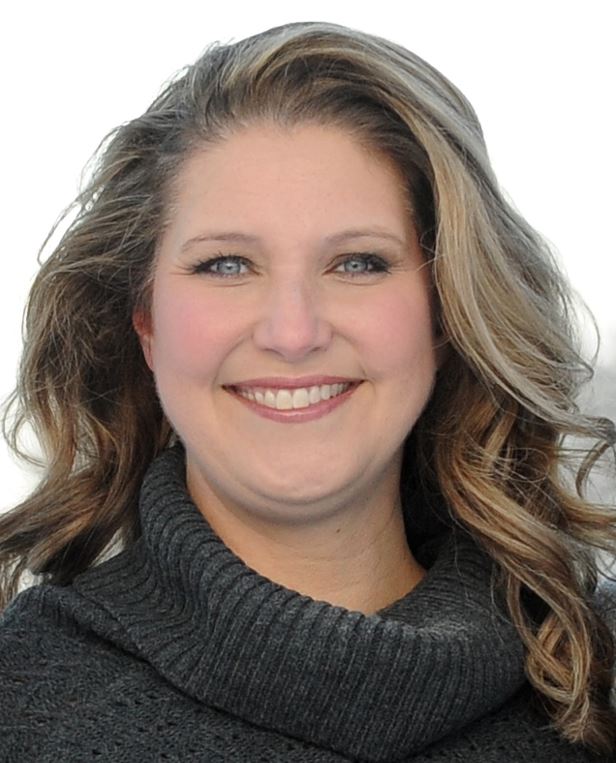
Regional Information Officer
Loree Duczek is the Communications Manager for the Regional District of East Kootenay and a lead Information Officer with the East Kootenay Emergency Management Program based in Cranbrook.
With nearly 25 years of experience in emergency and crisis communications, Loree has been on the front lines of major wildfires, floods, landslides and other complex emergencies. She has led emergency information teams, coordinated communications across multiple agencies and jurisdictions, and worked extensively with local, provincial and national media during rapidly evolving, high-pressure situations.
Her experience has given her a firsthand understanding of the importance of relationships and the challenges of delivering timely, accurate and trusted information during a crisis. From navigating uncertainty and managing misinformation to balancing operational realities with public expectations, her experience has reinforced the critical importance of building relationships, fostering trust and maintaining credibility — especially when the answers aren't always clear.
A recipient of the King Charles III Coronation Medal in recognition of her emergency communications work, Loree brings a practical, people-focused perspective to emergency information management, the importance of public trust and the lessons learned from communicating when it matters most.


