


 Apple Podcasts
 Spotify
 YouTube
 Amazon Music
 iHeartRadio
 Podchaser
 Podcast Addict
 Castbox
 PocketCasts
 PlayerFM
 Castro
 RSS Feed
 Quickbits: When Wildfires Turn Unpredictable - Lessons From the Front Lines

This Quickbits installment of the Wildfires, Floods and Chaos Communications Podcast zeroes in on a turbulent week of wildfire, tornado, and flood activity across Canada and beyond.
This Quickbits installment of the Wildfires, Floods and Chaos Communications Podcast zeroes in on a turbulent week of wildfire, tornado, and flood activity across Canada and beyond. Tim Conrad shares frontline insights on the explosive growth of the Fiftynine Creek, French Creek, and Anderson Creek fires - including how fast-moving fire behaviour, atmospheric energy, and drought conditions are creating dangerous, unpredictable situations for responders and residents alike.
Drawing from decades of wildfire response and emergency communications, Tim reflects on the life‑or‑death decisions responders face, the risks of staying behind during evacuation orders, and the growing trend of mega‑fires feeding off each other.
The episode also highlights upcoming conversations with Paul McCarthy and Jen McEachen, touching on emergency operations, accessibility, and the evolving challenges communities face as climate‑driven disasters intensify.
A concise, urgent, human‑focused Quickbits update - reminding listeners to stay safe, stay empathetic, and stay prepared as the season escalates.
Here are clean, platform‑ready chapter timings based directly on your transcript timestamps. I’ve kept them precise, sequential, and aligned with your pacing.
Visit www.communicationspodcast.com for more detailed show info including photos and videos.
00:00 - – Opening & Thanks to Responders
00:23 - – Empathy, Safety & Human Impact
00:46 - – Fires Under Watch: Fiftynine Creek
01:11 - – French Creek Fire & Mega Fire Interaction
01:45 - – Unpredictable Fire Behaviour in BC
02:25 - – New Ignition Near Boston Bar
02:53 - – The Danger of Staying Behind
03:37 - – The Responder’s Burden
04:00 - – Anderson Creek Fire & Water Shutdowns
05:01 - – Why Fires Are Getting Worse
05:28 - – Upcoming Episodes: Paul McCarthy & Jen McEachen
06:18 - – Global Thanks to Responders
06:39 - – Accessibility in Emergencies (Jen McEachen Clip)
08:08 - – Community Anxiety & Recovery (Paul McCarthy Clip)
09:10 - – Structural Vulnerability & Forest Conditions
09:34 - – Closing Thanks & Call to Share 10:03 – Episode Wrap Up
00:00:00:03 - 00:00:23:19
Speaker 1
Hello there. It's Tim Conrad of the Wildfires Floods and Chaos Communications podcast with the Quickbits. While they won't hear this until later. A big thanks to all the responders out there right now. Yes, you and you. You too. You. You've been busy. And wildfire activities certainly increased across Canada and beyond in the last week. Tornadoes and floods are dotted everywhere.
00:00:23:19 - 00:00:46:13
Speaker 1
And this next period, well we'll see. It certainly creates some very difficult situations for everybody to manage. Stay focused on your safety first and always, and crank up that empathy. That goes for people with your friends and your family that are affected. Just be really empathetic and caring and just be a listening person in that moment. That's what it's all about.
00:00:46:15 - 00:01:04:14
Speaker 1
It's about the people in this moment. It's a time to focus on them and the impact on them. If you do that well in your job, you'll have a good job for the next bunch of years. You know, like it's just going to go well. Let me tell you, if you listen well during an emergency, people like you, I'm going to briefly look at a few fires which have my attention.
00:01:04:14 - 00:01:11:03
Speaker 1
So if you jump over to CommunicationsPodcast.com you can see the video in graphics. I'm showing
00:01:11:05 - 00:01:24:00
Speaker 1
the Fiftynine Creek fire is just over 100km from my location, and it has been a remarkable blaze from the moment it began. This fire started on July 17th and by the end of the day it had grown to 4000
00:01:24:01 - 00:01:34:03
Speaker 1
hectares. As you can see in this video from someone in the area at the time the fire began, the heat and drought impacting the area turned into explosive growth in just hours.
00:01:34:08 - 00:01:41:18
Speaker 1
It continues to burn vigorously today and is now closer to 11,000 hectares. Next door is the French
00:01:41:20 - 00:01:45:18
Speaker 1
Creek Fire, which clocks in at 13,000 hectares. These
00:01:45:18 - 00:02:01:01
Speaker 1
two mega fires are certainly going to feed off of each other, with weather and energy created and shared as a unit for the remainder of the summer. If you are ever near a fire like this, you must know they are extremely powerful and dangerously unpredictable.
00:02:01:02 - 00:02:25:07
Speaker 1
Most fires are normally in this area. Fires burn north or east, although that is not always the case. Some burn south or west or all directions like the Fiftynine Creek fire has. In recent days. We have seen many large wildfires in this section of land through British Columbia, and it is common over the last decades for fires to get up to that 10,000 hectare mark within days.
00:02:25:09 - 00:02:29:05
Speaker 1
Yesterday, I was preparing to record this episode when a
00:02:29:05 - 00:02:49:15
Speaker 1
new fire began near Boston Bar and explodes. It was likely fed by the local atmosphere, which again has two significant fires in that area, and then lots of heat and wind. I've seen this many times. People stay behind to fight the fire and another fire starts and blocks their evacuation route.
00:02:49:17 - 00:02:53:07
Speaker 1
I know why people do it, and as a firefighter and responder who has
00:02:53:07 - 00:03:11:22
Speaker 1
seen hundreds of wildfires, I can't caution enough on how dangerous these can be. At times we can't even predict them. And sometimes with all the best communications, we get in trouble. Sometimes they move and change so fast that rescuers can't get to you. And I've been one of those rescuers in the past.
00:03:12:01 - 00:03:37:01
Speaker 1
We're combination of prepared, brave and stupid. So we'll go into situations that many people would run from. And in recent years, I've been on the other side of things and making the decision on whether to send someone else's kids in to rescue someone who stay too long. The pit that that puts in my stomach. Any time I think about it, I want nobody to experience.
00:03:37:02 - 00:04:00:15
Speaker 1
You have to weigh out whether some kid's life might be gone with that decision over someone who ultimately could have left a little earlier, and we wouldn't be in that situation. So please read those warnings, as I know we will lose people who think they can fight a monster fire with a few pumps. You can't. I'm sorry. And that's really tough to accept.
00:04:00:15 - 00:04:40:11
Speaker 1
I know, but it's a reality of the current conditions of the world. While folks who stayed were seeing lighter fire activity on the large two fires, the new Anderson Creek fire started and grew to over 4000 hectares yesterday. Does that sound familiar? It immediately blocked anyone who stayed behind around Boston Bar from safely getting away. Water was shut down in the town, and as someone who has led communications in urban and rural water utility for many years, that's a very normal practice when you don't have people on the ground to keep the system running and get supplies into an evacuation order area legally.
00:04:40:12 - 00:05:01:06
Speaker 1
Okay, so we can't just bring supplies in just to keep water running for whatever. Water systems are designed to survive disasters. That doesn't necessarily mean they are designed to steadily run throughout them, and that's why they get shut down at times. What is becoming more common is how often these fires are burning so intensely, and how large we see them get every year.
00:05:01:06 - 00:05:28:03
Speaker 1
Listen for Jen McEachen episode next week and watch for the video episode the week after the latest episode with Paul McCarthy, who serves in dual roles as a fire chief of a volunteer fire department and emergency program manager at a First Nation. Had our most popular single day of downloads in two years. Awesome. Really awesome. It's very relevant to the current wildfire conditions and the balancing act we do in emergency operations.
00:05:28:03 - 00:05:55:02
Speaker 1
I hope you'll catch it. Here's a clip of the video version of this episode, which is almost ready to post. This is dramatically changed over recent decades due to extreme weather changes, which have allowed insects and diseases from other parts of the world to come in and destroy habitats in your community, making it very vulnerable. It's also from poor forest management practices, which have continued for over a century, and a lack of prescribed cultural indigenous fires.
00:05:55:04 - 00:06:18:15
Speaker 1
This is complex. It's messy. It's loaded with politics and division, all while it burns around us. I have been along for nearly a full decade working in BC, working with many First Nations and local governments, and I can tell you this never is an easy process. I am sure thankful, and I really can't say enough for all the responders that I get to work alongside.
00:06:18:15 - 00:06:39:20
Speaker 1
And that extends globally to all of you that have come to help or are helping another nation or some other place in the part of the world that you are in. Thank you so much. The next episode is ready for next week. I get some time with Jen McEachen who will share her insider knowledge as a person with a disability in that intersection with emergency management.
00:06:39:21 - 00:06:45:13
Speaker 1
Here, she describes ways to include people with disabilities in preparation for crisis and emergencies.
00:06:45:16 - 00:07:14:16
Speaker 2
Recruit people with disabilities to test it? Because if you don't include them and allow them to provide feedback, how are you going to know what to do in the future? Like we do the testing twice a year, but they're not enough feedback that's going in to those different manufacturers who say, here are some areas that you need to prove with your network or the notifications.
00:07:14:17 - 00:07:35:23
Speaker 2
This is how I would word it. Or how can we implement AFL into these notifications and where can we get it in different languages, all inclusive information where we can improve on those areas. But right now they're not getting that feedback and they're making the same mistakes over and over and over again.
00:07:36:00 - 00:08:02:21
Speaker 1
Listen for Jen McEachen's episode next week and watch for the video episode the week after the latest episode with Paul McCarthy, who serves in dual roles as a fire chief of a volunteer fire department and emergency program manager at a First Nation. Had our most popular single day of downloads in two years. Awesome. Really awesome. It's very relevant to the current wildfire conditions and the balancing act we do in emergency operations.
00:08:02:21 - 00:08:08:00
Speaker 1
I hope you'll catch it. Here's a clip of the video version of this episode, which is almost ready to post.
00:08:08:04 - 00:08:36:12
Speaker 1
I would say, you know, just even recently, anytime there's a small fire or something that looks like a fire, the community gets really activated or agitated or worried about fire. You see a fire down on the hay fields or even small little rank one ranked two fires in the area. People are really, really reactive to that. The building back from the flooding in 2020, that's been an ongoing process.
00:08:36:13 - 00:08:48:16
Speaker 1
The challenges with dealing with disaster, financial assistance, the two levels of government and the rules around that have been a challenge prior to me getting here, and we're still dealing with that today. The.
00:08:48:16 - 00:09:10:12
Speaker 1
This is dramatically changed over recent decades due to extreme weather changes, which have allowed insects and diseases from other parts of the world to come in and destroy habitats in your community, making it very vulnerable. It's also from poor forest management practices, which have continued for over a century, and a lack of prescribed cultural indigenous fires.
00:09:10:14 - 00:09:34:01
Speaker 1
This is complex. It's messy. It's loaded with politics and division, all while it burns around us. I have been along for nearly a full decade working in BC, working with many First Nations and local governments, and I can tell you this never is an easy process. I am sure thankful, and I really can't say enough for all the responders that I get to work alongside.
00:09:34:01 - 00:09:44:04
Speaker 1
And that extends globally to all of you that have come to help or are helping another nation or some other place in the part of the world that you are in. Thank you so much.
00:09:44:08 - 00:10:03:13
Speaker 1
Hey, could you help me out and share a recent episode with a friend? Or say hello over at Communications podcast where you can just do that? Send a message to me with a guest or topic idea. You will find the Wildfires, Floods and Chaos Communications podcast on every platform including YouTube, Amazon Echo, Spotify, Google Podcasts and DoggCatcher.
00:10:03:14 - 00:10:16:16
Speaker 1
Watch for the full video episode with Fire Chief and Emergency Program Manager Paul McCarthy soon, and the audio episode with Jen McEachen on accessibility on Tuesday, July 28th. That's all for now. Goodbye. Hear me later.

Consultant
From pet-sitting, volunteer resources and administrative support to a career in emergency management and advocacy, Jen McEachen has spent the last 5 years exploring trends and gaps of the needs of the disability community. Jen, as a person with Deafblindness, is using a variety of platforms to bring awareness to emergency management professionals by providing guidance on breaking down barriers and collaborating with the disability community. In this episode, Jen will share lived experience working with emergency management professionals and with the disability community mitigate and prepare for disasters, such as inclusion and execution of exercises and networking opportunities. Additionally, ensuring communication and information are accessible for all during the response and recovery phases. Standards and legislation will also be a topic of discussion as well.
Resources:
Accessible Standards Canada - Federal Standards of Emergency Measures:
https://accessible.canada.ca/standards-and-technical-guides/standards-and-technical-guides-database/can-asc-64-emergency-measures
Federal Standards of Emergency Egress:
https://accessible.canada.ca/standards-and-technical-guides/standards-and-technical-guides-database/overview-can-asc-22-emergency-egress-exit
Accessible Canada Act:
https://www.canada.ca/en/employment-social-development/programs/accessible-canada/act-summary.html
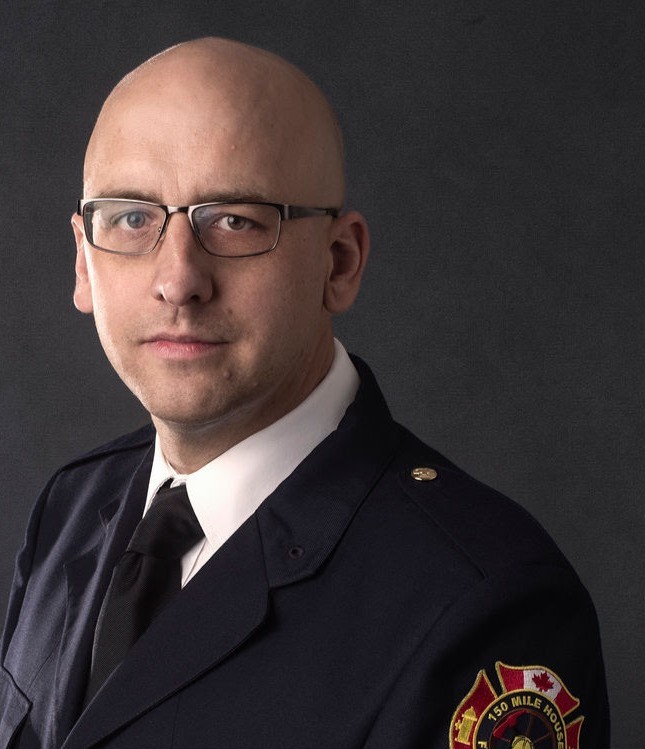
Emergency Program Manager / Fire Chief
Paul has been involved in Emergency Services since I was 16 years old. He is currently the Fire Chief of the 150 Mile House Fire Department, and Emergency Program Manager for the Williams Lake First Nation.
He has supported emergency operations as Operations Chief for both the Cariboo Regional District and Central Coast Regional District for major incidents.
Chief McCarthy has been a member of the (volunteer) fire department for 34 years.


